简体中文
 English
 Español

Submit feedback
What Are the Differences Between Ceramic, Electrolytic, and Film Capacitors? How Should You Choose?
In electronic circuit design, capacitors may be small, but they directly affect system stability and service life. Faced with the three mainstream types—ceramic, electrolytic, and film—engineers often find themselves confused about selection. The three are not simple substitutes for one another; each is locked into a different set of physical limits and application scenarios.
In terms of core characteristics, electrolytic capacitors excel at "high capacitance and low cost." They can provide farad-level energy storage in low-voltage scenarios, but at the cost of higher equivalent series resistance, poor high-frequency performance, and the risk of explosion if polarity is reversed.
Ceramic capacitors are known for "miniaturization and high-frequency response." Their extremely low ESR makes them the standard choice for chip decoupling, but the capacitance of high-dielectric-constant types (such as X7R) drifts dramatically with voltage and temperature.
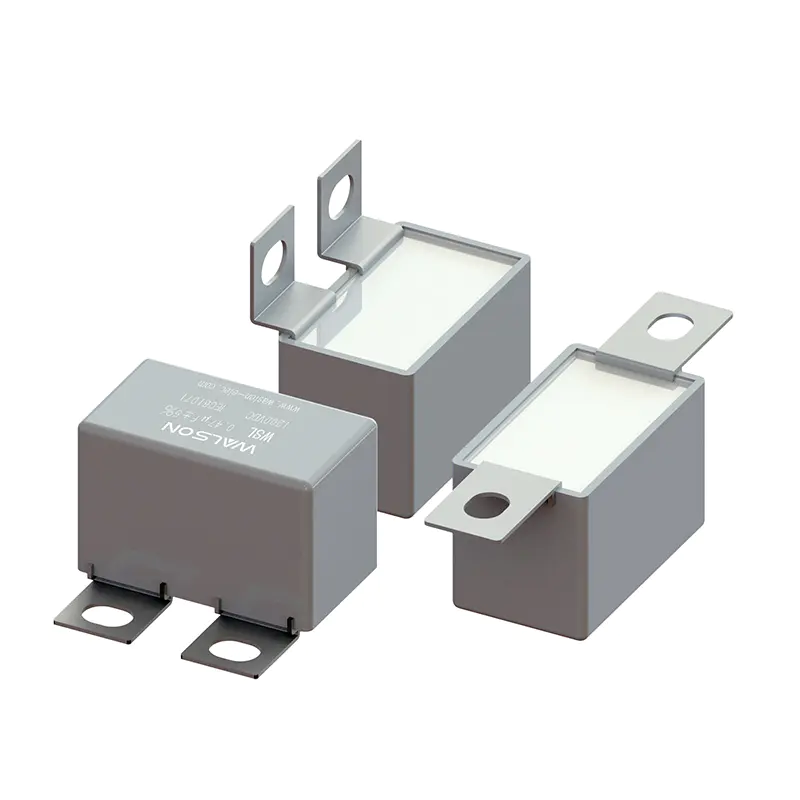
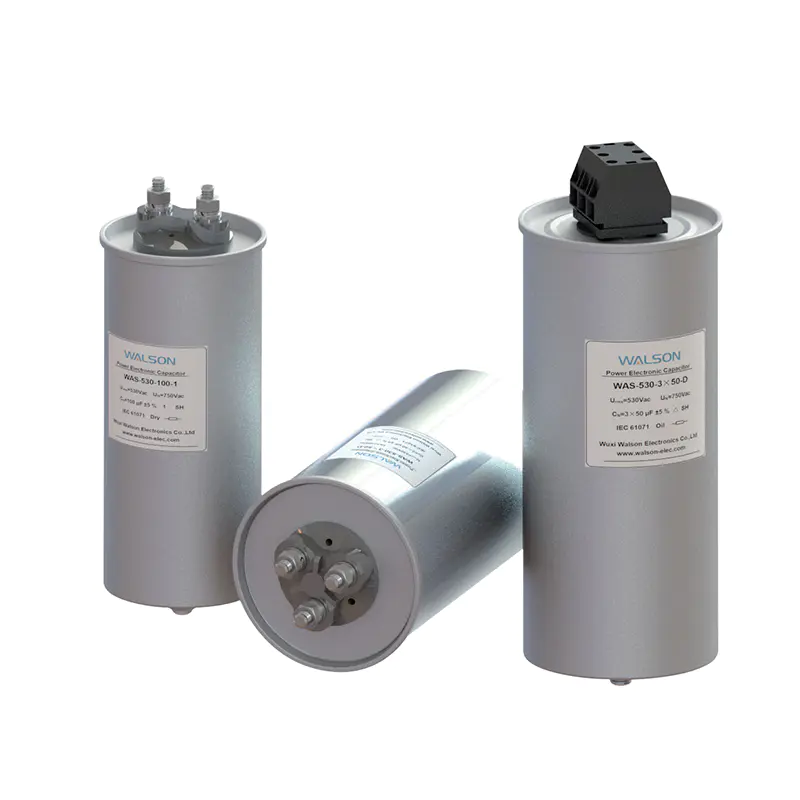
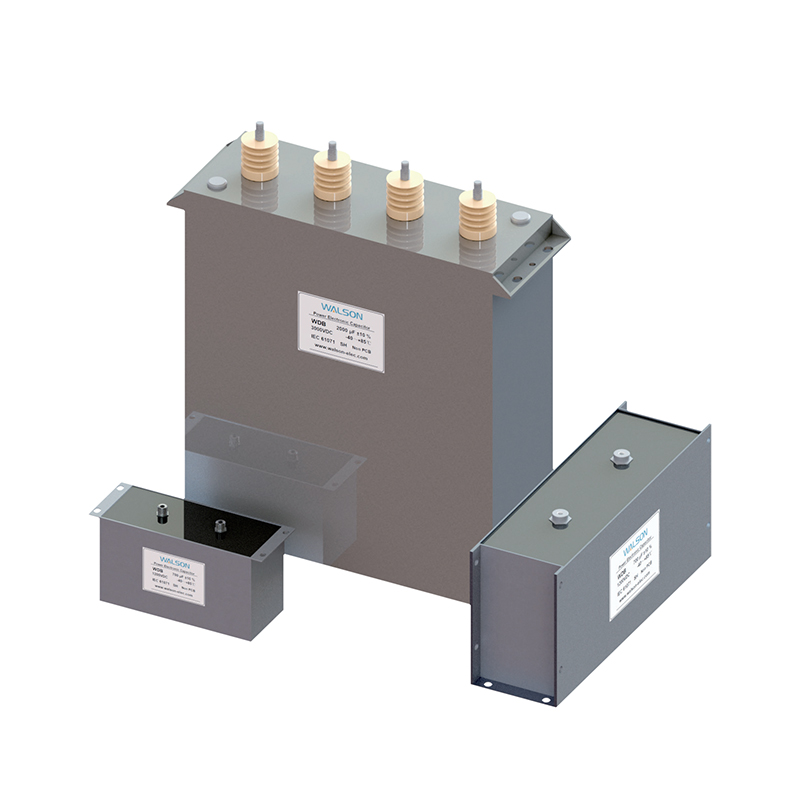
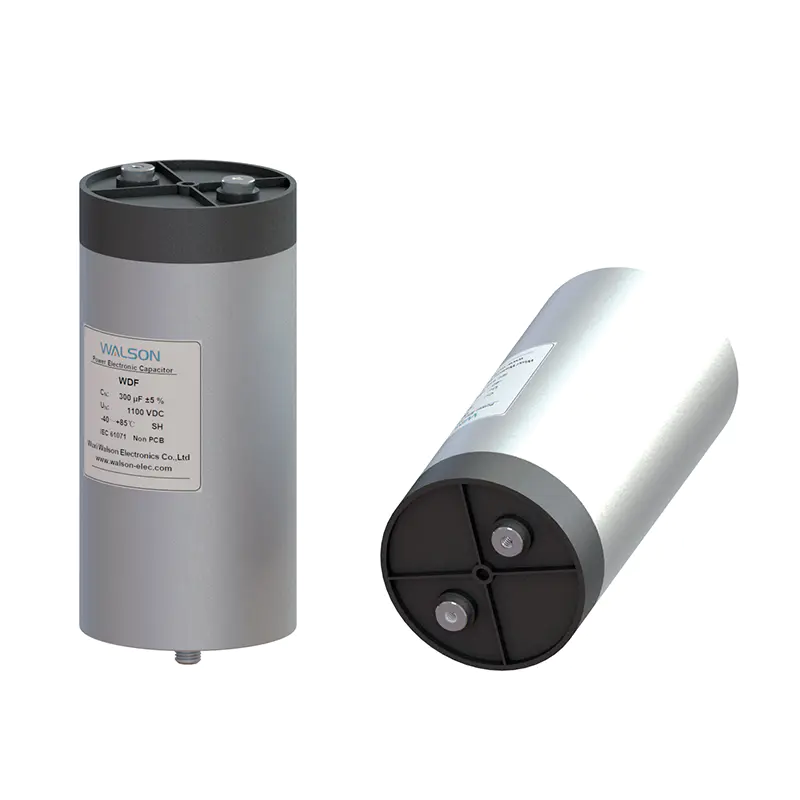
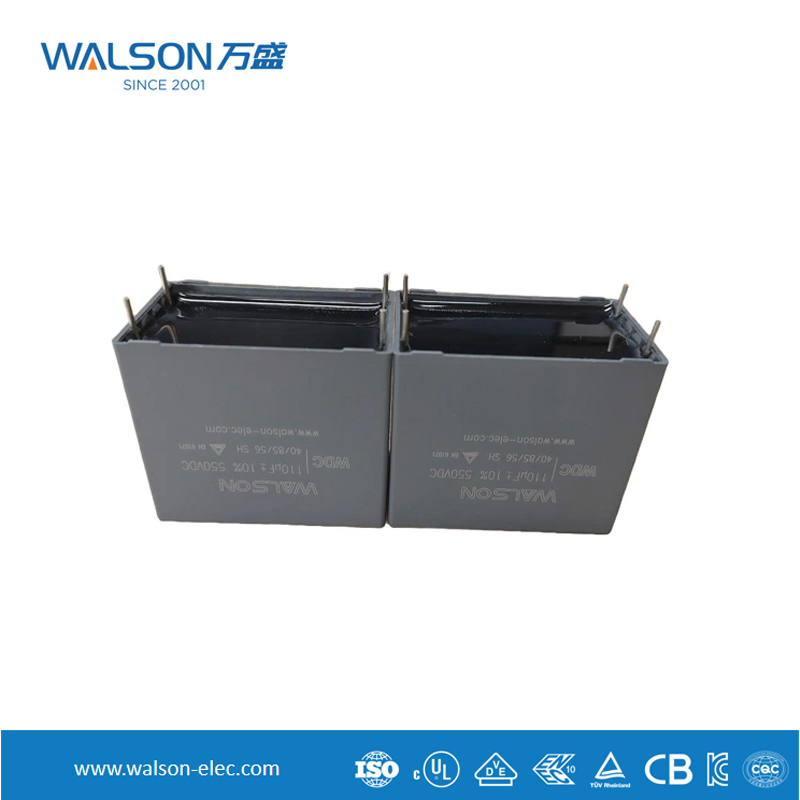
Film capacitors stand at the end of "stability and voltage withstand." Their metallized film has self-healing capability, and their capacitance remains precise even under harsh environments, making them suitable for high-voltage, high-frequency filtering and resonant circuits.
The core of selection lies in grasping the principal contradiction. If you are designing input filtering for a low-voltage power supply and need very large capacitance to smooth ripple, aluminum electrolytic capacitors are the cost-effective first choice; if you are decoupling the power pins of high-speed digital chips, ceramic capacitors are irreplaceable thanks to their low ESL and tiny size; if you are dealing with an inverter bus or high-frequency AC pulses, the high voltage withstand and self-healing properties of film capacitors are a matter of system safety. In short, for high capacitance, choose electrolytic; for high frequency and compactness, choose ceramic; for high voltage and stability, choose film. It is meaningless to discuss advantages and disadvantages apart from specific operating conditions—matching the real stress of the circuit is the only yardstick for selection.
If you have any of the above concerns, please feel free to contact us at any time and we will provide you with the optimal solution and quotation.