简体中文
简体中文 English
 Español
Submit feedback
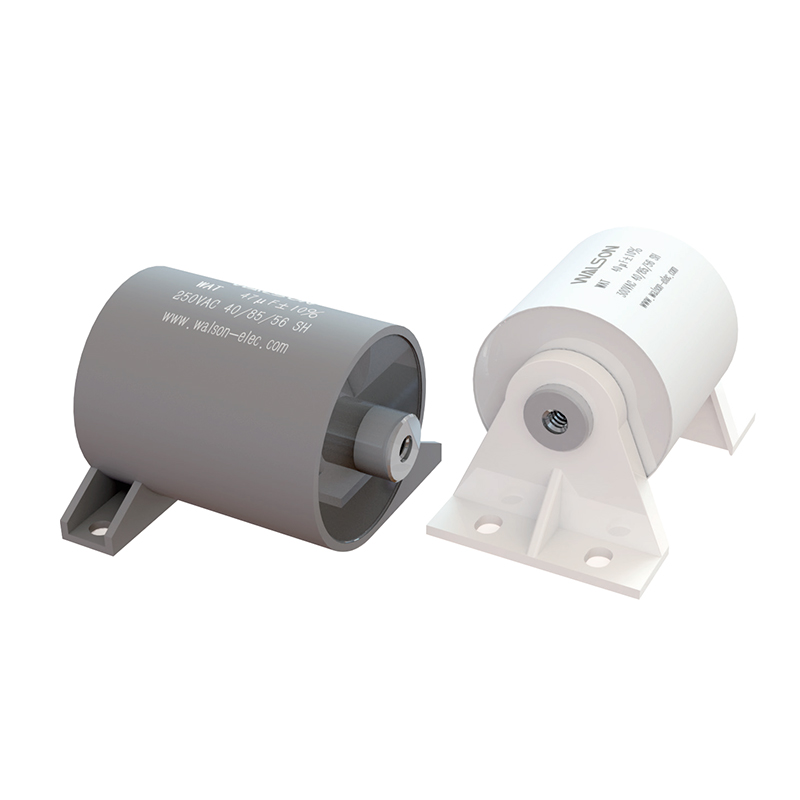
AC Film Capacitors vs Other Capacitor Types: Which Is Best?
Introduction
In the world of electrical components, capacitors are crucial for various applications, from power electronics to consumer devices. Among the many types of capacitors, AC film capacitors stand out due to their unique characteristics and applications. However, there is an array of other capacitor types, each with its strengths and weaknesses.
What Are AC Film Capacitors?
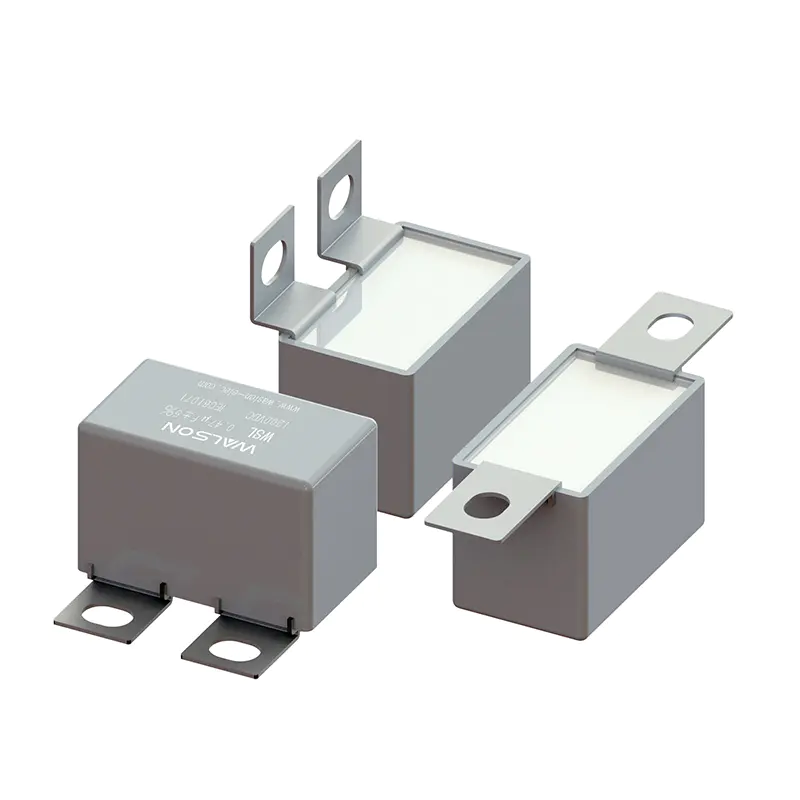
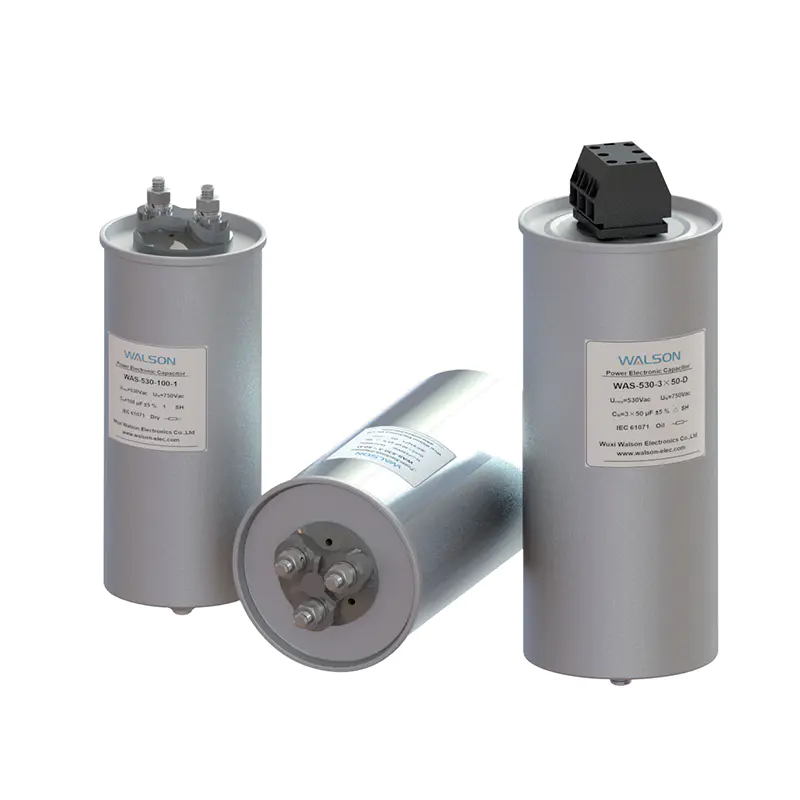
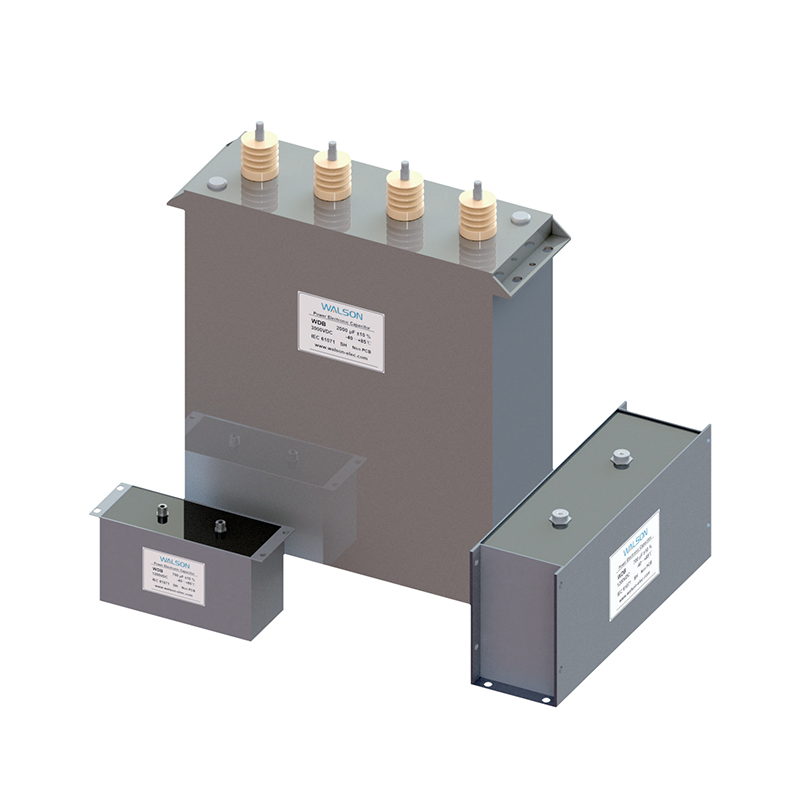
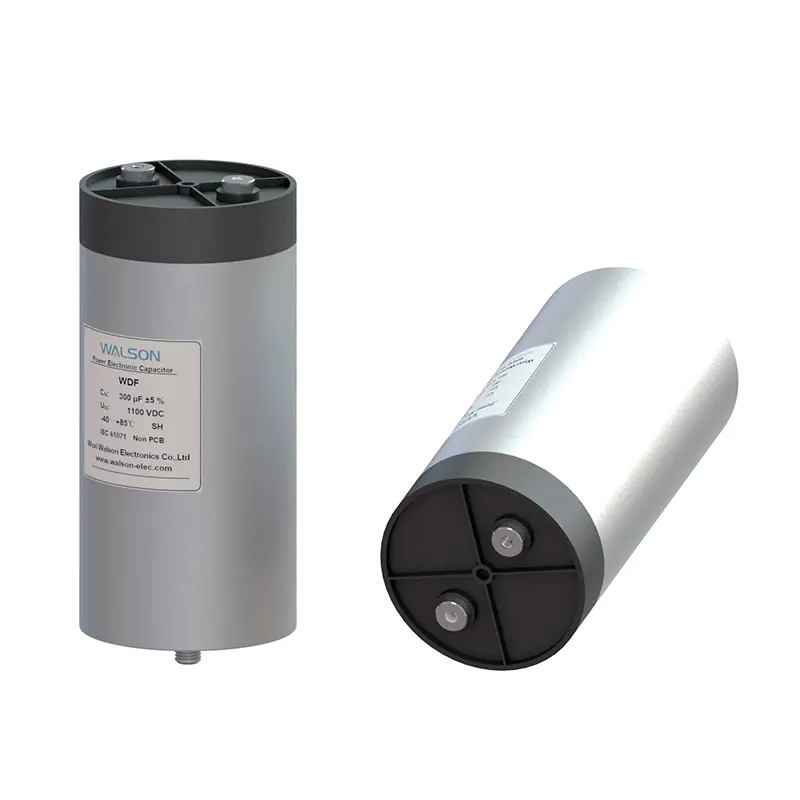
AC film capacitors are a type of capacitor that uses a thin plastic film as the dielectric material. These capacitors are designed for AC (alternating current) applications, where their ability to handle voltage fluctuations and provide stable performance is essential.
Key Features of AC Film Capacitors:
- Durability: AC film capacitors are known for their long lifespan and high reliability, especially in applications where high-frequency signals are present.
- Temperature Stability: They offer thermal stability, making them ideal for environments with fluctuating temperatures.
- Low Loss: AC film capacitors have low dielectric losses, making them efficient and effective for power applications.
- High Voltage Rating: These capacitors can handle relatively high voltage levels compared to many other capacitor types.
- Cost-Effectiveness: While not the option, AC film capacitors provide a good balance of performance and cost.
Comparing AC Film Capacitors to Other Types
While AC film capacitors are widely used in many industries, it’s important to compare them to other types of capacitors, such as electrolytic capacitors, ceramic capacitors, and tantalum capacitors, to see where each excels.
AC Film Capacitors vs Electrolytic Capacitors
- Dielectric Material: AC film capacitors use plastic films, while electrolytic capacitors use an electrolyte as their dielectric material.
- Voltage Tolerance: AC film capacitors are generally better at handling high-voltage AC applications compared to electrolytic capacitors, which are typically designed for lower-voltage DC applications.
- Lifespan: AC film capacitors generally have a longer lifespan and greater reliability, while electrolytic capacitors tend to degrade faster, especially in high-temperature environments.
- Cost: Electrolytic capacitors are typically cheaper than AC film capacitors, but their lower durability and performance in AC applications can be a limiting factor.
AC Film Capacitors vs Ceramic Capacitors
- Size: Ceramic capacitors are much smaller than AC film capacitors, which can make them a better choice for space-constrained applications.
- Performance: AC film capacitors outperform ceramic capacitors in terms of voltage stability and heat resistance, making them better suited for high-power applications.
- Cost: Ceramic capacitors are more affordable, but their performance limitations often require using larger numbers of capacitors for certain applications.
AC Film Capacitors vs Tantalum Capacitors
- Stability: Tantalum capacitors have stability and high capacitance in a small package, but they are prone to catastrophic failure if over-volted, unlike AC film capacitors which offer more robust protection.
- Size: Tantalum capacitors are smaller and offer higher capacitance per unit size, but they often come with a higher cost and lower voltage rating compared to AC film capacitors.
- Applications: AC film capacitors are generally preferred in high-voltage AC applications, while tantalum capacitors are commonly used in low-voltage DC circuits.
Advantages of AC Film Capacitors
- Enhanced Performance in AC Applications: The significant advantage of AC film capacitors lies in their ability to efficiently handle AC signals without experiencing significant loss or degradation.
- Reduced Risk of Failure: The robust design of AC film capacitors ensures they are less likely to fail unexpectedly, making them a popular choice for mission-critical applications.
- Wide Voltage Range: AC film capacitors can handle both low and high voltages, making them versatile in various applications, from audio equipment to power supplies.
- Low Leakage Current: They exhibit minimal leakage current, ensuring that their performance remains stable over time.
- Environmental Benefits: AC film capacitors are environmentally friendly as they do not contain harmful chemicals such as the electrolyte found in electrolytic capacitors.
Applications of AC Film Capacitors
AC film capacitors find use in a variety of industries, including:
- Power Electronics: They are used in power converters, inverters, and power factor correction circuits due to their high voltage tolerance and efficiency.
- Audio Equipment: AC film capacitors are often employed in high-fidelity audio equipment where performance stability and clarity are essential.
- Lighting Systems: AC film capacitors help stabilize the voltage in lighting circuits, ensuring consistent brightness and efficient operation.
- Motor Drives: These capacitors play a key role in motor drive systems, helping to improve energy efficiency and reduce operational noise.
Key Factors to Consider When Choosing a Capacitor
When selecting the capacitor for your application, consider the following factors:
| Factor | AC Film Capacitors | Electrolytic Capacitors | Ceramic Capacitors | Tantalum Capacitors |
|---|---|---|---|---|
| Voltage Handling | High | Low to Medium | Low | Low |
| Temperature Stability | Excellent | Moderate | Moderate | Moderate |
| Lifespan | Long | Short | Moderate | Moderate |
| Size | Medium | Large | Small | Small |
| Cost | Moderate to High | Low | Low | High |
| Applications | Power, Audio, Motor Drives | Power Supplies, DC Circuits | General Purpose, RF | Low-Voltage DC Circuits |
FAQ
1. What is the main difference between AC film capacitors and electrolytic capacitors?
AC film capacitors use a plastic film as the dielectric material, making them more reliable and suitable for AC applications, while electrolytic capacitors use an electrolyte and are typically used in low-voltage DC circuits.
2. Are AC film capacitors better than ceramic capacitors for high-voltage applications?
Yes, AC film capacitors are generally better suited for high-voltage applications due to their higher voltage tolerance and stability compared to ceramic capacitors.
3. Why are AC film capacitors preferred for power electronics?
AC film capacitors provide performance in power electronics due to their ability to handle high voltages and frequencies with minimal loss and degradation.
4. What are the limitations of AC film capacitors?
While AC film capacitors are reliable and versatile, they are larger than ceramic or tantalum capacitors and may not be suitable for extremely space-constrained applications.
5. Can AC film capacitors be used in low-voltage DC circuits?
While AC film capacitors are optimized for AC applications, they can also be used in low-voltage DC circuits but may not be as cost-effective as electrolytic capacitors for such purposes.
Conclusion
AC film capacitors offer a strong combination of reliability, performance, and versatility, particularly in AC applications. While other types of capacitors like electrolytic, ceramic, and tantalum capacitors have their strengths, AC film capacitors stand out in terms of durability, voltage handling, and stability. By understanding their advantages and comparing them to other options, you can make an informed decision on which type of capacitor suits your needs.