简体中文
简体中文 English
 Español
Submit feedback
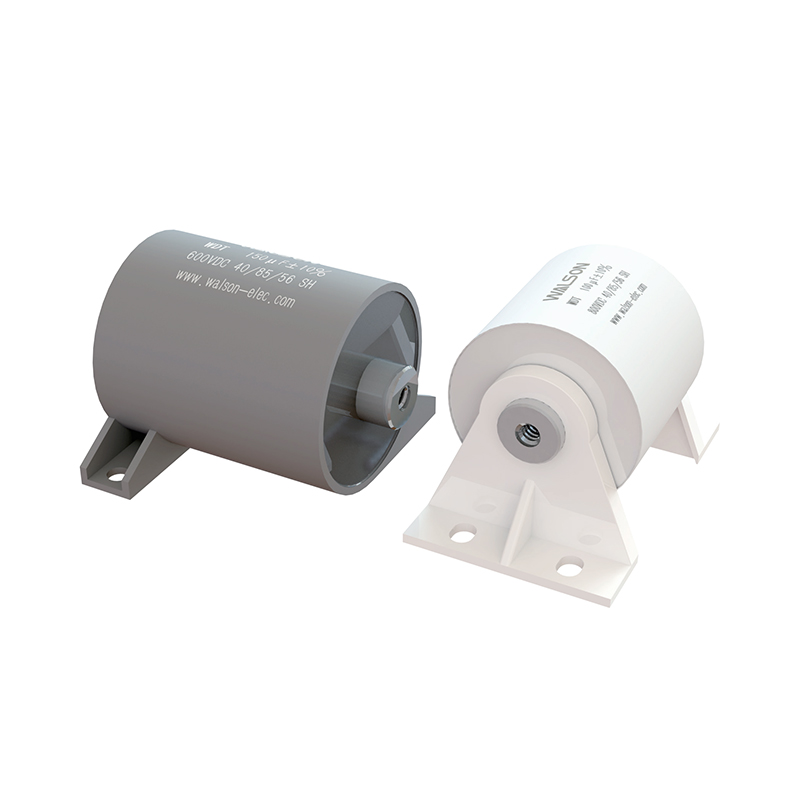
Are Metallized Film Capacitors the Best Choice for Noise Filtering in Power Supplies?
Introduction
Power supplies are essential components in various electronic devices, providing the necessary electrical energy to ensure their performance. One of the key challenges in the design of power supplies is managing electrical noise. Noise in power supplies can significantly affect the performance of sensitive components, causing malfunctioning or inefficiencies. In this context, capacitors play a crucial role in noise filtering. Among the various types of capacitors available, metallized film capacitors have gained significant attention for their effectiveness in noise filtering.
What Are Metallized Film Capacitors?
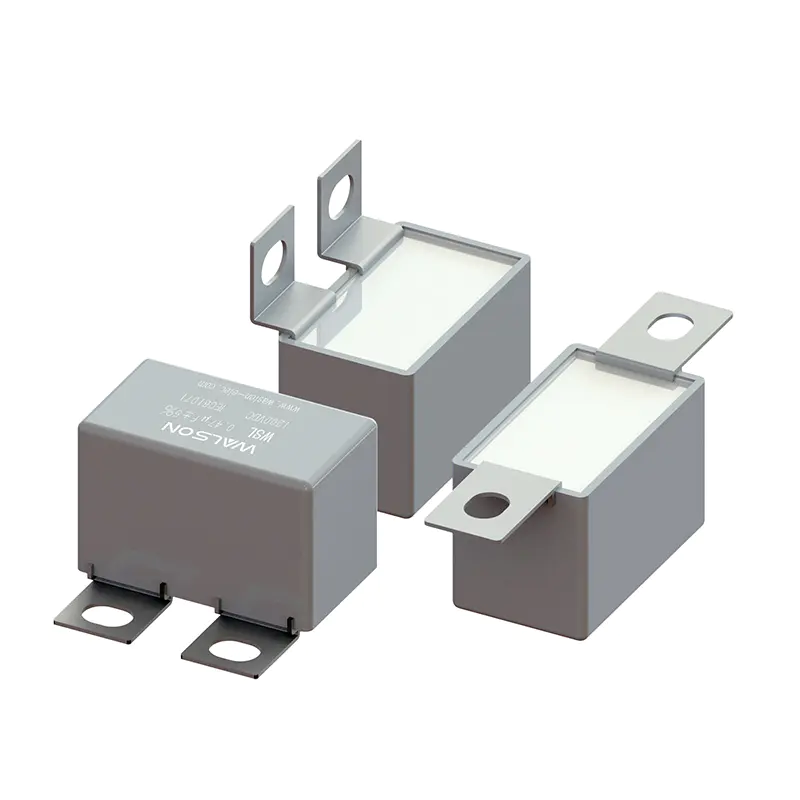
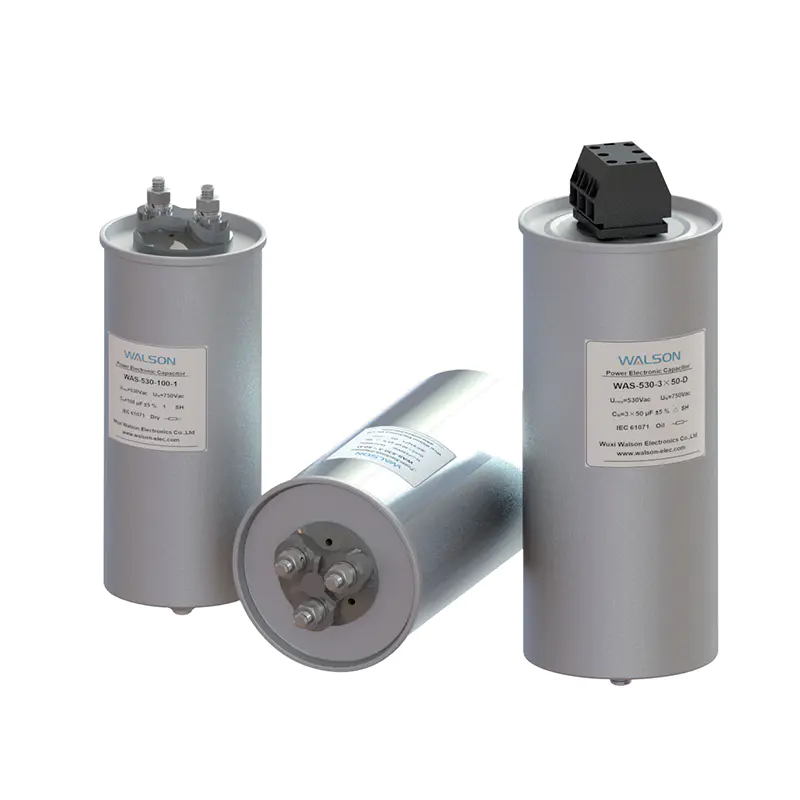
Metallized film capacitors are a type of capacitor that uses a thin metal layer on a film dielectric to store electrical energy. These capacitors are widely used in various electronic applications due to their stability, reliability, and relatively simple construction. The metal layer is typically made of aluminum or other conductive materials, and the dielectric is usually a type of plastic film, such as polyester or polypropylene. This combination allows for high capacitance values and durability, making metallized film capacitors particularly suitable for noise filtering applications.
The Role of Metallized Film Capacitors in Noise Filtering
Noise filtering is critical in power supplies to prevent unwanted electromagnetic interference (EMI) and high-frequency noise from affecting the operation of sensitive electronic circuits. Metallized film capacitors excel in this role due to several inherent properties:
High Capacitance Values: Metallized film capacitors can store large amounts of electrical charge, which helps to absorb and dissipate unwanted noise signals.
Low Equivalent Series Resistance (ESR): The low ESR of metallized film capacitors makes them effective at filtering high-frequency noise without significant power loss, which is essential for maintaining the stability of power supplies.
Compact Size: Metallized film capacitors offer high performance in a relatively small form factor, making them suitable for use in compact power supply designs.
High Dielectric Strength: The dielectric material in metallized film capacitors can withstand high voltages, making them ideal for filtering applications in high-power environments.
Long Lifespan: The reliability and durability of metallized film capacitors ensure that they can handle prolonged operation, even in harsh conditions, without significant degradation.
Comparison with Other Capacitor Types for Noise Filtering
While metallized film capacitors are highly effective for noise filtering, it is important to consider how they compare to other types of capacitors commonly used in power supplies. Below is a comparison of metallized film capacitors with ceramic and electrolytic capacitors:
| Capacitor Type | Advantages | Disadvantages | Best Use Case |
|---|---|---|---|
| Metallized Film Capacitors | High stability, low ESR, long lifespan, noise filtering | Larger than ceramics, can be more expensive | Ideal for noise filtering in power supplies |
| Ceramic Capacitors | Small size, low cost, good for high-frequency noise filtering | Can suffer from microphonic effects, limited capacitance values | Best for high-frequency applications, such as RF circuits |
| Electrolytic Capacitors | High capacitance values, relatively low cost | Higher ESR, limited lifespan, larger size | Used in power supplies for bulk energy storage |
From this comparison, it is clear that metallized film capacitors are particularly suited for noise filtering in power supplies, especially in applications where stability and longevity are key considerations.
Advantages of Metallized Film Capacitors for Power Supply Noise Filtering
Effective Noise Suppression: Metallized film capacitors are highly effective at filtering both high-frequency noise and low-frequency ripple. Their performance in suppressing noise makes them ideal for use in power supplies for sensitive equipment, including audio devices, medical instruments, and communication systems.
Stability and Consistency: Due to their construction, metallized film capacitors provide stable performance over a wide range of temperatures and voltages. This ensures that they continue to perform optimally in various operating conditions, making them more reliable than other capacitor types in filtering applications.
Low Failure Rate: The design of metallized film capacitors reduces the risk of failure. In comparison to electrolytic capacitors, which are prone to leakage and degradation over time, metallized film capacitors have a significantly lower failure rate. This contributes to the overall reliability of power supplies using these capacitors.
Applications in Power Supplies
Metallized film capacitors are used in a wide range of power supply designs, particularly in scenarios where noise filtering is critical. Some common applications include:
- AC-DC Power Supplies: Metallized film capacitors are used to reduce ripple and noise in the conversion of alternating current (AC) to direct current (DC).
- Switching Power Supplies: These capacitors help in managing high-frequency noise generated by switching components.
- Uninterruptible Power Supplies (UPS): In UPS systems, metallized film capacitors ensure stable operation by filtering noise from incoming power sources.
- Power Amplifiers: In audio power supplies, metallized film capacitors are used to maintain signal integrity and prevent interference.
Considerations When Choosing Metallized Film Capacitors
When selecting metallized film capacitors for noise filtering, several factors should be considered:
Capacitance Value: The required capacitance will depend on the frequency range of the noise to be filtered. Larger capacitance values are typically used for filtering lower-frequency noise.
Voltage Rating: The voltage rating of the capacitor must match or exceed the operating voltage of the power supply to prevent failure.
Size and Form Factor: Depending on the design of the power supply, the physical size of the capacitor may be a limiting factor. Metallized film capacitors offer a good balance between performance and size.
Cost Considerations: Metallized film capacitors are generally more expensive than ceramic capacitors, so budget considerations should also play a role in selecting the right type of capacitor for the application.
FAQ
1. What is a metallized film capacitor?
A metallized film capacitor is a type of capacitor that uses a thin metal layer on a plastic film dielectric to store electrical charge, offering high capacitance and noise filtering capabilities.
2. How do metallized film capacitors compare to ceramic capacitors for noise filtering?
Metallized film capacitors are more stable and reliable, especially at higher voltages, and offer better long-term performance compared to ceramic capacitors, which may suffer from microphonic effects.
3. Are metallized film capacitors suitable for high-power applications?
Yes, metallized film capacitors have a high dielectric strength, making them suitable for high-power applications, including power supplies for industrial equipment.
4. What is the lifespan of metallized film capacitors?
Metallized film capacitors typically have a long lifespan, especially when used within their rated voltage and temperature range, and they experience low degradation over time.
5. Can metallized film capacitors be used in all types of power supplies?
While metallized film capacitors are highly effective for noise filtering in power supplies, their suitability depends on the specific requirements of the application, such as capacitance value and voltage rating.