简体中文
简体中文 English
 Español
Submit feedback
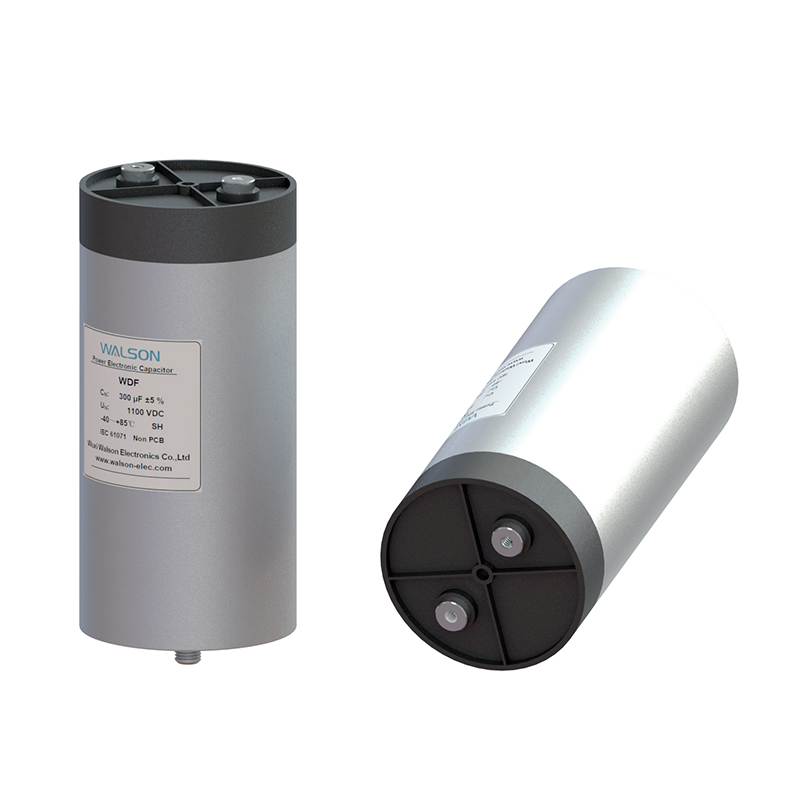
Low ESR Capacitors vs. Regular Capacitors: Which One Should You Use?
Introduction
When selecting capacitors for an electronic design, engineers and hobbyists often face a critical decision: choosing between low ESR (Equivalent Series Resistance) capacitors and regular capacitors. While both types serve similar purposes in electrical circuits, their characteristics, performance, and applications can significantly differ.
Understanding Capacitors: A Brief Overview
Capacitors are essential electronic components used to store and release electrical energy in various electronic circuits. They are widely used in power supply systems, signal filtering, energy storage, and more. Their primary function is to smooth out voltage fluctuations, store energy, and provide transient voltage suppression.
Capacitors come in various types, including ceramic, tantalum, electrolytic, and film. Two common categories are low ESR capacitors and regular capacitors.
What is ESR?
Before we dive into the comparison, it’s important to define ESR. ESR stands for Equivalent Series Resistance, which refers to the internal resistance of a capacitor when an alternating current (AC) flows through it. A higher ESR means that the capacitor has more resistance to AC, causing more energy loss as heat and reducing its efficiency.
In contrast, a low ESR capacitor is designed with minimal resistance, which translates to better performance, especially in high-frequency applications.
Characteristics of Low ESR Capacitors
Low ESR capacitors are typically designed for specific high-performance applications where high current, fast switching, or high-frequency signals are involved. Here are the key features:
- Lower Heat Generation: Due to their low internal resistance, low ESR capacitors produce less heat, which allows them to handle higher currents without damaging the capacitor or the surrounding circuit.
- Improved Performance at High Frequencies: Low ESR capacitors excel in high-frequency circuits, as their resistance does not impede the AC signal as much as regular capacitors. This is essential in circuits that involve RF (radio frequency) signals or high-speed switching.
- Longer Lifespan: With lower heat generation and reduced stress on the capacitor materials, low ESR capacitors tend to last longer than regular capacitors, especially in high-demand applications.
- Better Filtering: These capacitors are often used in power supply circuits to smooth voltage levels and reduce ripple, ensuring the system operates smoothly without noise interference.
Regular Capacitors: Key Features
Regular capacitors, such as standard electrolytic or ceramic capacitors, typically have a higher ESR. While they still function well in many applications, their performance may be compromised under certain conditions. Key features include:
- Higher Heat Generation: Regular capacitors with higher ESR tend to produce more heat, especially under heavy load conditions. This can reduced efficiency and potential failure over time.
- Slower Response in High-Frequency Applications: The higher ESR in regular capacitors makes them less suitable for applications where fast switching or high-frequency signals are involved. Their performance can degrade significantly under such conditions.
- Cost-Effective: Regular capacitors are generally cheaper than low ESR capacitors. They are ideal for low to medium-performance circuits where high efficiency is not critical.
Performance Comparison: Low ESR vs. Regular Capacitors
| Feature | Low ESR Capacitor | Regular Capacitor |
|---|---|---|
| Internal Resistance (ESR) | Very low | Higher |
| Heat Generation | Low | Higher |
| Frequency Response | Excellent at high frequencies | Poor at high frequencies |
| Lifespan | Longer | Shorter under high stress |
| Efficiency | High | Moderate |
| Cost | More expensive | Less expensive |
Applications of Low ESR Capacitors
Low ESR capacitors are often used in circuits where high efficiency, durability, and speed are critical. Some of the common applications include:
- Power Supply Filters: In power electronics, low ESR capacitors are used to filter and smooth out the DC output of power supplies. Their ability to handle high-frequency noise and reduce ripple is crucial in these applications.
- DC-DC Converters: These converters require capacitors that can handle rapid switching and high currents. Low ESR capacitors ensure that the converter operates efficiently and with minimal heat generation.
- Audio Equipment: Low ESR capacitors are used in audio circuits to prevent signal degradation and provide high-fidelity audio output.
- Medical Equipment: Medical devices often rely on low ESR capacitors to ensure reliability and minimize energy loss in critical applications.
Choosing the Right Capacitor for Your Application
When choosing between low ESR and regular capacitors, it’s important to consider several factors:
- Current and Voltage Requirements: If your circuit handles high currents or voltages, low ESR capacitors are recommended for better performance and longevity.
- Frequency Range: If your application involves high-frequency signals or fast switching, low ESR capacitors will provide better efficiency and response.
- Cost Constraints: Regular capacitors are a more affordable choice for low-demand applications, where ESR is less critical.
Conclusion
Both low ESR capacitors and regular capacitors have their own advantages and disadvantages. Low ESR capacitors are ideal for high-performance, high-frequency, and high-current applications where efficiency, heat management, and longevity are crucial. On the other hand, regular capacitors can serve adequately in less demanding circuits where cost is a primary concern.
Understanding the requirements of your specific application is the key to selecting the right capacitor. Whether you choose a low ESR or regular capacitor, ensure that it meets your performance, longevity, and budget needs.
FAQ
1. What does ESR mean in capacitors?
ESR (Equivalent Series Resistance) refers to the internal resistance of a capacitor when AC current passes through it. A lower ESR means better performance, especially in high-frequency applications.
2. Why are low ESR capacitors more expensive?
Low ESR capacitors are designed with specialized materials and construction techniques that reduce internal resistance, making them more expensive to manufacture.
3. Can regular capacitors be used in power supply circuits?
Yes, regular capacitors can be used in power supply circuits, but low ESR capacitors are preferred for applications requiring better efficiency and lower ripple.
4. Do low ESR capacitors last longer?
Yes, low ESR capacitors generally have a longer lifespan, especially under heavy current and voltage conditions, due to their reduced heat generation.
5. Which type of capacitor should I choose for a high-speed circuit?
For high-speed circuits, low ESR capacitors are recommended because they perform better at high frequencies and reduce signal distortion.