简体中文
简体中文 English
 Español
Submit feedback
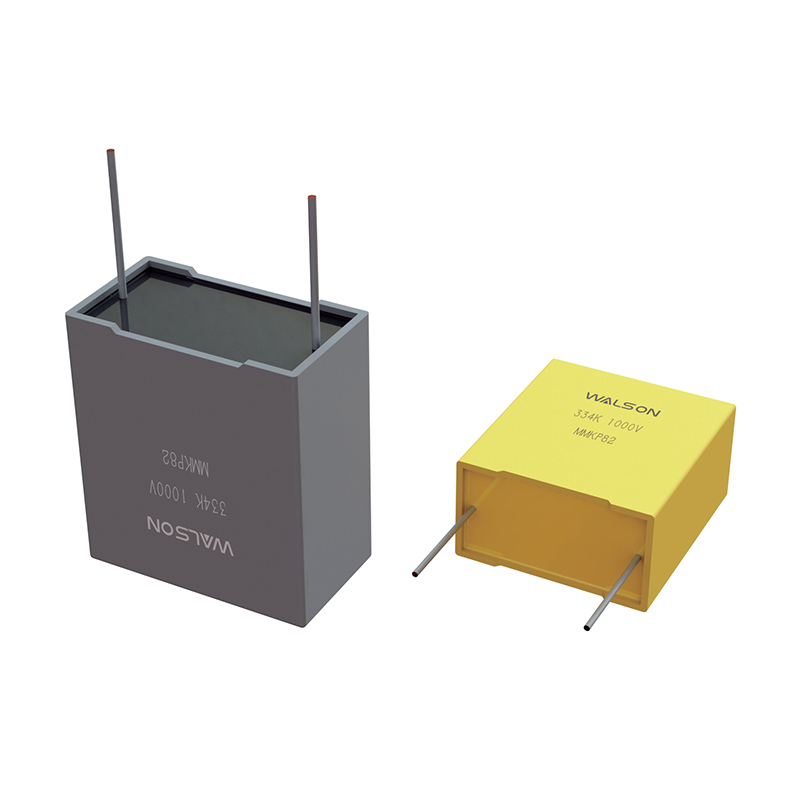
How Do Self-Healing Capacitors Improve the Reliability of Electronic Devices?
Self-healing capacitors have emerged as a significant advancement in electronics, especially in improving the reliability and longevity of devices that rely on capacitor components. These capacitors are designed to restore their functionality after experiencing faults, such as dielectric breakdowns, without the need for replacement. This self-repairing feature helps prevent catastrophic failures, reducing the need for maintenance and prolonging the life of the electronic devices they power.
Introduction to Self-Healing Capacitors
Capacitors are crucial components in nearly every electronic circuit. They store and release electrical energy, helping regulate voltage and filter out noise. Over time, however, capacitors can degrade due to factors such as thermal stress, high voltage, and environmental conditions. This degradation can failures in electronic systems, which may disrupt operations or even cause device breakdowns.
Self-healing capacitors tackle this issue by employing materials that can repair themselves when damaged. The common type of self-healing capacitor is based on metalized film technology, where a thin layer of metal is applied to the dielectric film. When a fault occurs, the metal layer vaporizes, creating a gap that isolates the damaged area. This allows the capacitor to continue functioning without significant degradation of its performance.
The Technology Behind Self-Healing Capacitors
Self-healing capacitors utilize a unique approach to overcome dielectric failure. The dielectric material used in these capacitors, often polypropylene or polyester, is coated with a thin metallic layer. This layer is susceptible to puncturing under electrical stress, such as surges or high voltage. Upon failure, the capacitor’s metal layer evaporates, leaving behind a small, non-conductive area. The capacitor can continue to function with reduced capacity in the short term, but with the ability to self-repair in the event of further electrical stress.
The repair process occurs quickly and automatically, making the capacitor highly reliable even in demanding environments. This technology is crucial in applications that require high durability, such as automotive, aerospace, and industrial systems.
Advantages of Self-Healing Capacitors
The primary advantage of self-healing capacitors is their ability to maintain performance even after faults. Some of the key benefits of using self-healing capacitors include:
Improved Longevity: The self-repairing mechanism ensures that even after a failure, the capacitor can continue to operate, significantly extending its service life.
Reduced Risk of Catastrophic Failure: Self-healing capacitors can withstand voltage surges and other electrical stresses without causing a complete breakdown of the circuit.
Lower Maintenance Costs: The ability to recover from faults eliminates the need for frequent replacements or repairs, reducing long-term maintenance expenses.
Enhanced Reliability: Self-healing capacitors provide consistent performance in environments where traditional capacitors might fail, especially in critical applications like medical devices, military equipment, and automotive systems.
Energy Efficiency: By preventing complete failures, these capacitors contribute to the overall energy efficiency of electronic devices.
Applications of Self-Healing Capacitors
Self-healing capacitors are used in a variety of industries and applications. They are particularly valued in systems that require high reliability and durability. Some of the common uses include:
- Automotive Systems: Capacitors in car electronics, such as power steering, airbag systems, and battery management systems, benefit from the durability of self-healing capacitors.
- Consumer Electronics: Devices such as power supplies, televisions, and computers rely on self-healing capacitors to prevent power interruptions and increase the lifespan of the device.
- Industrial Equipment: In industrial machinery and control systems, capacitors are exposed to higher stress levels. Self-healing capacitors help ensure continuous operation even under conditions.
- Renewable Energy: Solar inverters and wind turbine controllers use self-healing capacitors to maintain reliable performance despite fluctuations in voltage and other environmental stresses.
- Telecommunications: Capacitors in communication equipment, such as base stations, rely on self-healing technology to avoid costly downtime and service interruptions.
How Self-Healing Capacitors Improve Device Reliability
Self-healing capacitors significantly enhance the reliability of electronic devices by addressing the common causes of capacitor failure. These include:
- Dielectric Breakdown: Overvoltage conditions can cause dielectric breakdown, which is a common failure mode in traditional capacitors. Self-healing capacitors eliminate this risk by automatically isolating the damaged area and restoring function.
- Temperature Extremes: Capacitors can degrade under temperature extremes, resulting in leakage or short circuits. Self-healing capacitors are less susceptible to such issues, helping ensure that devices remain functional in harsh conditions.
- Surges and Spikes: Power surges and voltage spikes are frequent causes of capacitor failure. Self-healing capacitors can absorb these shocks without failing completely, providing consistent performance over time.
In each of these cases, the self-repair mechanism ensures that the capacitor does not result in catastrophic failure, thereby enhancing the overall reliability of the electronic device.
Key Factors in Choosing Self-Healing Capacitors
When selecting self-healing capacitors for specific applications, several factors need to be considered:
| Factor | Description |
|---|---|
| Capacitance Value | Ensure the capacitor’s capacitance is suitable for the application’s needs. |
| Voltage Rating | Choose a capacitor that can handle the voltage in the system. |
| Temperature Range | The capacitor should be able to function within the expected operating temperature range. |
| ESR (Equivalent Series Resistance) | Low ESR is crucial for efficient energy storage and transfer. |
| Size and Form Factor | Consider the available space and ensure the capacitor fits within the device. |
Conclusion
Self-healing capacitors are a critical advancement in the field of electronics, offering improved reliability and longevity for a wide range of applications. By reducing the risk of catastrophic failure and extending the service life of electronic devices, they have become essential in industries that demand high-performance and durability. The ability of self-healing capacitors to recover from faults not only saves costs on maintenance but also ensures that devices continue to operate reliably, even under harsh conditions.
FAQ
Q1: What is a self-healing capacitor?
A self-healing capacitor is a type of capacitor that can repair itself when a dielectric breakdown occurs, allowing it to continue functioning even after damage.
Q2: How do self-healing capacitors improve device reliability?
They enhance reliability by preventing catastrophic failures caused by overvoltage, temperature extremes, and power surges, ensuring consistent performance.
Q3: What industries benefit from self-healing capacitors?
Industries such as automotive, consumer electronics, industrial equipment, telecommunications, and renewable energy benefit from the enhanced durability of self-healing capacitors.
Q4: Are self-healing capacitors expensive?
While self-healing capacitors may be more expensive than traditional capacitors, their durability and reduced maintenance costs make them a cost-effective solution in the long term.
Q5: Can self-healing capacitors be used in high-temperature environments?
Yes, self-healing capacitors are designed to withstand temperature extremes, making them suitable for high-temperature applications in various industries.