简体中文
简体中文 English
 Español
Submit feedback
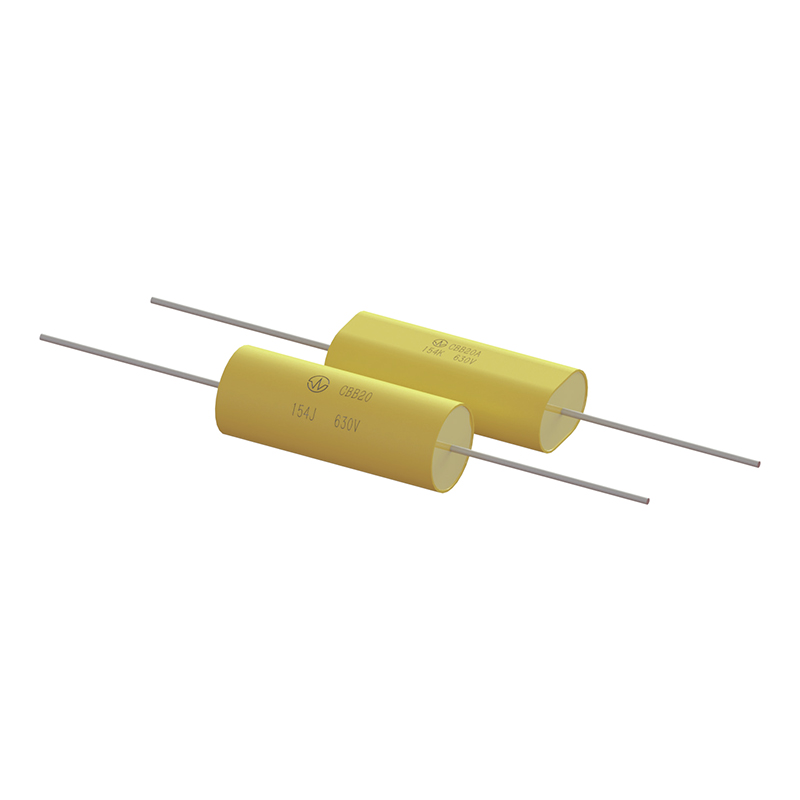
What Factors Affect the Performance and Lifespan of Polypropylene Film Capacitors?
Introduction
Polypropylene film capacitors are widely recognized for their reliability and efficiency in various electronic and electrical applications. These capacitors are used for energy storage, filtering, and stabilizing power supplies in consumer electronics, industrial systems, and automotive applications. However, like all electronic components, their performance and lifespan can be influenced by various factors.
Material Quality and Manufacturing Process
The quality of materials used in the construction of polypropylene film capacitors plays a significant role in determining their overall performance. The film material, typically made from biaxially oriented polypropylene (BOPP), must be of high purity to ensure reliable insulation and high dielectric strength.
Key Considerations:
- Dielectric Strength: A higher dielectric strength improves the capacitor’s ability to withstand high voltages.
- Film Thickness: Thicker films can increase the charge storage capacity but may higher energy loss due to increased resistance.
Temperature Range and Operating Conditions
Temperature fluctuations are one of the primary factors affecting the performance and lifespan of capacitors. Polypropylene film capacitors are typically rated for specific temperature ranges, and operating outside of these limits can degrade their performance over time.
Key Considerations:
- High Temperature: Prolonged exposure to high temperatures can accelerate the degradation of the dielectric film, which results in reduced capacitance and increased leakage current.
- Low Temperature: Extremely low temperatures can cause the polypropylene material to become brittle, which may result in failure.
- Ambient Conditions: Humidity and atmospheric pressure can also affect the stability of the capacitor’s dielectric material, particularly in high-precision applications.
Voltage Stress and Ripple Current
Excessive voltage stress and high ripple currents can heat buildup within the capacitor, damaging the internal components and causing premature failure.
Key Considerations:
- Rated Voltage: Operating at voltages close to or beyond the rated voltage can dielectric breakdown and reduced capacitor life.
- Ripple Current: High ripple currents create localized heating, which can result in the capacitor’s insulation becoming weakened or the internal structure degrading.
Mechanical Stress and Vibration
Polypropylene film capacitors are subject to mechanical stress, especially in applications where they are subjected to vibration, shock, or physical impacts. Over time, these stresses can the degradation of the internal film and cause failure.
Key Considerations:
- Mounting: Proper mounting techniques help minimize physical stresses that could damage the capacitor. Vibration isolation and shock absorption mechanisms are essential for high-performance applications.
- Sealing: In certain designs, poor sealing can ingress of moisture, which negatively affects capacitor performance.
Frequency and Application Type
The frequency of operation can have a profound impact on the performance of polypropylene film capacitors, especially in high-frequency applications. Capacitors in power electronic devices, for instance, may face challenges due to high switching frequencies, which can induce heating.
Key Considerations:
- High-Frequency Operation: As the frequency increases, the equivalent series resistance (ESR) of the capacitor may also rise, resulting in higher energy dissipation and heat buildup.
- Pulse Load: Capacitors that are exposed to high pulse currents experience transient effects that can deteriorate the dielectric film faster.
Aging and Wear Over Time
Like all electronic components, polypropylene film capacitors are subject to aging. Over time, the dielectric material can degrade due to prolonged exposure to electrical stress, temperature variations, and environmental factors.
Key Considerations:
- Electrical Aging: Continuous use under high voltage or frequent voltage surges can dielectric breakdown, reducing the capacitor’s ability to store charge.
- Environmental Aging: Exposure to high humidity, UV radiation, or corrosive chemicals can cause the polypropylene film to degrade and lose its insulating properties.
Capacitance Tolerance and Stability
Capacitors must maintain stable capacitance throughout their service life to ensure proper functioning. Polypropylene film capacitors generally offer capacitance stability compared to other types, but they are still susceptible to changes over time due to external factors.
Key Considerations:
- Tolerance Variability: Over time, the capacitance can drift slightly due to aging, which can cause performance inconsistencies in precision applications.
- Capacitance Loss: Factors such as temperatures, voltage surges, and mechanical stress can contribute to gradual capacitance loss.
Performance Comparison Table
| Factor | Impact on Performance | Recommendations |
|---|---|---|
| Material Quality | Affects dielectric strength, stability | Use high-purity BOPP films |
| Temperature Range | Affects capacitance and lifespan | Ensure operation within rated temperature range |
| Voltage Stress | Can cause dielectric breakdown | Operate below the rated voltage |
| Ripple Current | Increases heat, reduces lifespan | Use capacitors rated for high ripple currents |
| Mechanical Stress | Leads to physical damage and failure | Proper mounting and isolation |
| Frequency | Can increase ESR, heat buildup | Use capacitors designed for high-frequency use |
| Aging | Degrades insulation, reduces efficiency | Monitor environmental conditions, replace aged capacitors |
| Capacitance Stability | Affects precision in applications | Choose capacitors with low tolerance drift |
FAQ
1. What is the typical lifespan of a polypropylene film capacitor?
The typical lifespan of a polypropylene film capacitor depends on operating conditions, but it can range from 2,000 to 5,000 hours in normal usage conditions.
2. How can I extend the lifespan of my polypropylene film capacitors?
To extend the lifespan, ensure capacitors are operated within the rated voltage and temperature ranges, minimize exposure to mechanical stress, and avoid high ripple currents.
3. What causes polypropylene film capacitors to fail prematurely?
Common causes of premature failure include exposure to high temperatures, excessive voltage, mechanical stress, and poor environmental conditions.
4. Can polypropylene film capacitors be used in high-frequency applications?
Yes, but they should be selected carefully to handle the increased ripple currents and ESR at high frequencies. Specialized high-frequency polypropylene film capacitors are available.
5. How do temperature fluctuations affect polypropylene film capacitors?
Temperature fluctuations can cause the dielectric material to expand or contract, which may result in cracking, reduced capacitance, and a shorter lifespan.
Conclusion
Polypropylene film capacitors are highly reliable components widely used in various industries. By understanding and managing the factors that affect their performance and lifespan—such as material quality, temperature, voltage stress, and mechanical strain—users can maximize their efficiency and extend their operational life. Proper handling, regular monitoring, and appropriate selection for specific applications are essential for optimizing the performance of polypropylene film capacitors in both standard and demanding environments.