简体中文
简体中文 English
 Español
Submit feedback
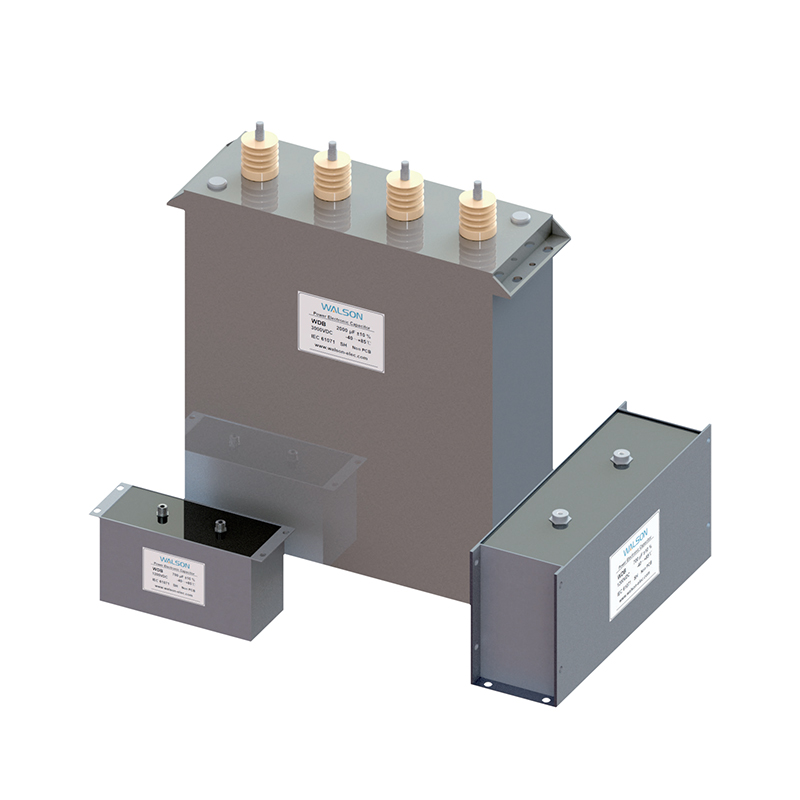
How to Select the Right DC-Link Film Capacitor for Your Power Conversion System?
Introduction
Power conversion systems, especially in applications like renewable energy, electric vehicles, and industrial machinery, rely heavily on capacitors to ensure smooth and efficient operation. Among the various types of capacitors used, DC-link film capacitors play a critical role. These capacitors are vital for maintaining stable voltage and storing energy efficiently in power conversion circuits. Selecting the right DC-link film capacitor can significantly affect the performance, efficiency, and longevity of your power conversion system.
Understanding DC-Link Film Capacitors
DC-link film capacitors are a key component in power electronics, particularly for inverters, converters, and power supplies. These capacitors are used to smooth the DC voltage and reduce ripple, which is essential for maintaining consistent power output. The “DC-link” refers to the connection between the input and output stages of a converter, typically an inverter.
These capacitors are made from metalized polypropylene or polyester films and have several advantages over other types of capacitors, such as electrolytic capacitors. They offer better stability, longer life, and higher energy density, making them an ideal choice for high-performance systems.
Key Factors in Selecting the Right DC-Link Film Capacitor
When selecting a DC-link film capacitor, several important factors should be taken into consideration:
Voltage Rating
The voltage rating is one of the critical parameters when choosing a DC-link film capacitor. The voltage rating of the capacitor should be higher than the voltage in the system to prevent breakdown or failure. A common rule of thumb is to select a capacitor with a voltage rating that is at least 20-30% higher than the system’s peak voltage.
| Parameter | Recommended Value |
|---|---|
| System Peak Voltage | 20-30% higher than the system’s peak voltage |
Capacitance
Capacitance, measured in microfarads (µF), determines how much energy the capacitor can store. Higher capacitance values are required for systems with higher power demands. However, increasing capacitance may also increase the size and cost of the capacitor. It is crucial to choose a capacitor with sufficient capacitance to handle the system’s load while maintaining performance.
ESR (Equivalent Series Resistance)
ESR is the internal resistance of the capacitor that affects its efficiency and performance. Lower ESR values are preferred as they minimize energy loss and heat generation. High ESR can increased heating, reducing the overall lifespan of the capacitor. A good DC-link film capacitor will have a low ESR to ensure efficient operation over a wide temperature range.
| Parameter | Impact of High ESR |
|---|---|
| High ESR | Causes excessive heat and energy loss |
Temperature Tolerance
Temperature tolerance is another crucial factor in capacitor selection. Power systems often operate in harsh environments with wide temperature fluctuations. It is essential to choose a capacitor that can withstand the temperature range of the system without degrading its performance. Capacitors with a high temperature tolerance will ensure reliable operation and extend the capacitor’s lifespan.
| Parameter | Recommended Temperature Range |
|---|---|
| Ambient Temperature | -40°C to 85°C (varies by application) |
Lifetime and Reliability
The lifespan of a capacitor is influenced by several factors, including operating temperature, voltage, and ripple current. A capacitor with a longer lifetime will provide more reliable performance and reduce the need for frequent replacements. When selecting a DC-link film capacitor, it is important to check the manufacturer’s rated lifetime at specific operating conditions.
Physical Size and Form Factor
The physical size of the capacitor is often a limiting factor, especially in compact systems. While high capacitance values are desirable, they can larger capacitors. It is important to balance performance with the available space within the power conversion system. Ensure that the chosen capacitor fits within the physical constraints of your design while still meeting performance requirements.
Ripple Current Rating
Ripple current is the AC component of the current flowing through the capacitor. It is essential to choose a DC-link film capacitor that can handle the ripple current without overheating. High ripple currents can degrade the performance of the capacitor and reduce its lifespan.
| Parameter | Effect of High Ripple Current |
|---|---|
| High Ripple Current | Increases heat and decreases capacitor life |
Applications of DC-Link Film Capacitors
DC-link film capacitors are widely used in various applications that require high efficiency and stable performance:
- Inverters and Converters: These capacitors smooth out the DC voltage and ensure efficient power conversion in inverters and converters used in solar energy systems, industrial automation, and electric vehicles.
- Electric Vehicles (EVs): DC-link film capacitors are used in EV powertrains to store and regulate energy during acceleration and regenerative braking.
- Renewable Energy Systems: These capacitors are crucial in solar and wind energy systems, where they help maintain stable power output and optimize energy conversion.
Advantages of DC-Link Film Capacitors
- High Voltage Rating: DC-link film capacitors can handle high voltages, making them ideal for use in power electronics.
- Long Lifespan: They have a longer operational lifespan compared to other types of capacitors, which reduces maintenance costs and downtime.
- Low ESR: The low ESR of these capacitors ensures efficient operation and minimal energy loss.
- Temperature Stability: These capacitors can operate efficiently in temperature conditions, providing reliable performance in a variety of environments.
Limitations of DC-Link Film Capacitors
- Size: While they offer performance, DC-link film capacitors can be larger compared to other capacitor types.
- Cost: These capacitors can be more expensive, particularly those with higher capacitance and voltage ratings.
- Power Density: In certain applications requiring very high power density, DC-link film capacitors might not provide the solution due to their physical size.
Selecting the Right DC-Link Film Capacitor
To select the right DC-link film capacitor for your system, follow these steps:
Understand Your System’s Requirements: Assess your system’s peak voltage, power requirements, and temperature range.
Choose the Right Voltage Rating: Ensure the capacitor voltage rating exceeds your system’s peak voltage by at least 20-30%.
Check the Capacitance: Select a capacitor with enough capacitance to handle the load while considering space and cost constraints.
Consider the Ripple Current and ESR: Ensure the capacitor has a low ESR and can handle the expected ripple current.
Verify Reliability and Lifetime: Ensure the capacitor will last for the expected lifetime of your system, especially in harsh environments.
FAQ
1. What is the main purpose of a DC-link film capacitor?
The primary function of a DC-link film capacitor is to smooth the DC voltage and reduce ripple, ensuring stable operation in power conversion systems.
2. How do I determine the voltage rating for a DC-link film capacitor?
The voltage rating should be at least 20-30% higher than the system’s peak voltage to ensure the capacitor can handle transient voltage spikes.
3. Can DC-link film capacitors handle high temperatures?
Yes, DC-link film capacitors are designed to operate efficiently across a wide temperature range, typically from -40°C to 85°C.
4. How does ripple current affect the performance of DC-link film capacitors?
Excessive ripple current can overheating, reduced efficiency, and shortened lifespan of the capacitor.
5. What are the common applications for DC-link film capacitors?
DC-link film capacitors are used in inverters, electric vehicles, renewable energy systems, and industrial power conversion applications.