简体中文
简体中文 English
 Español
Submit feedback
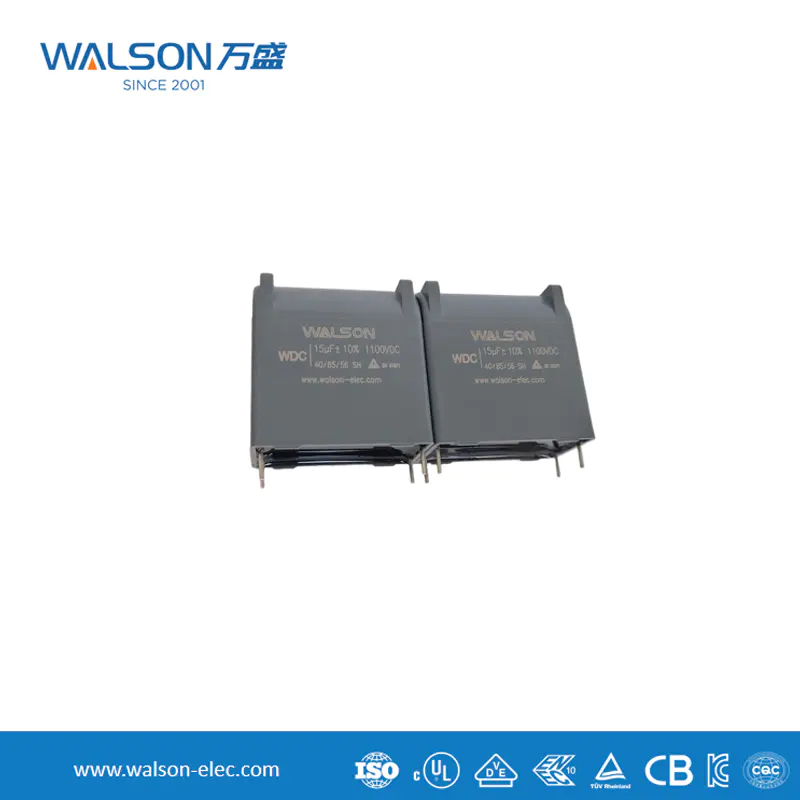
Replacing Conventional Large-Capacitance Electrolytic Capacitors in Drivers with Small-Capacitance Film Capacitors
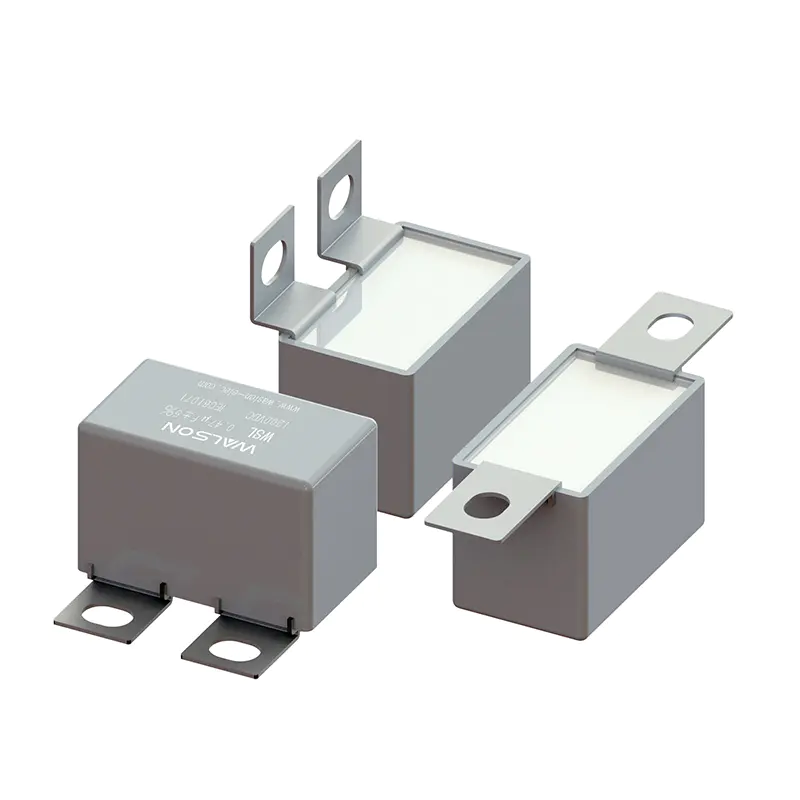
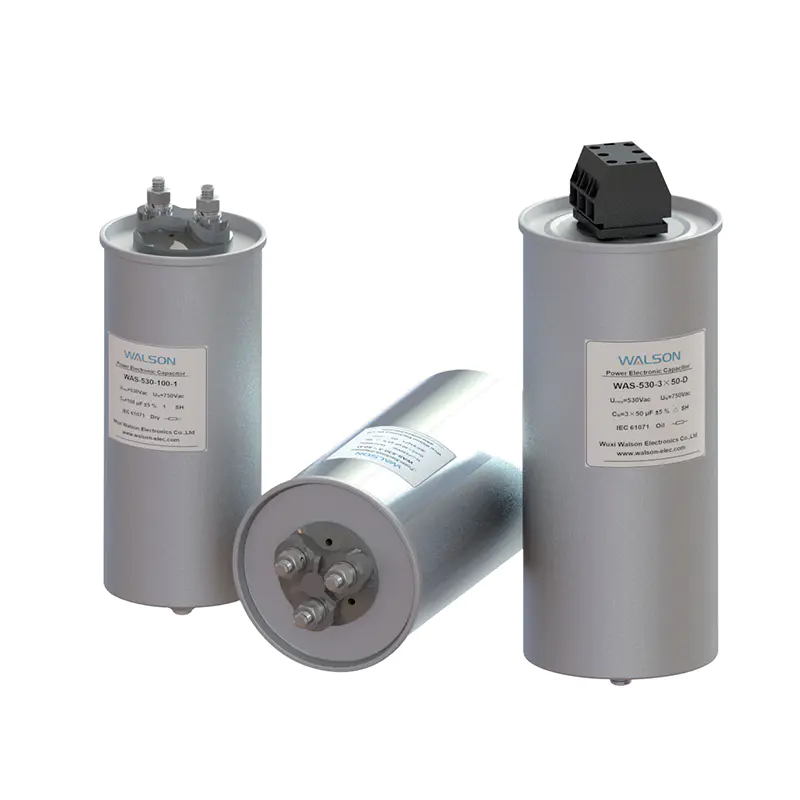
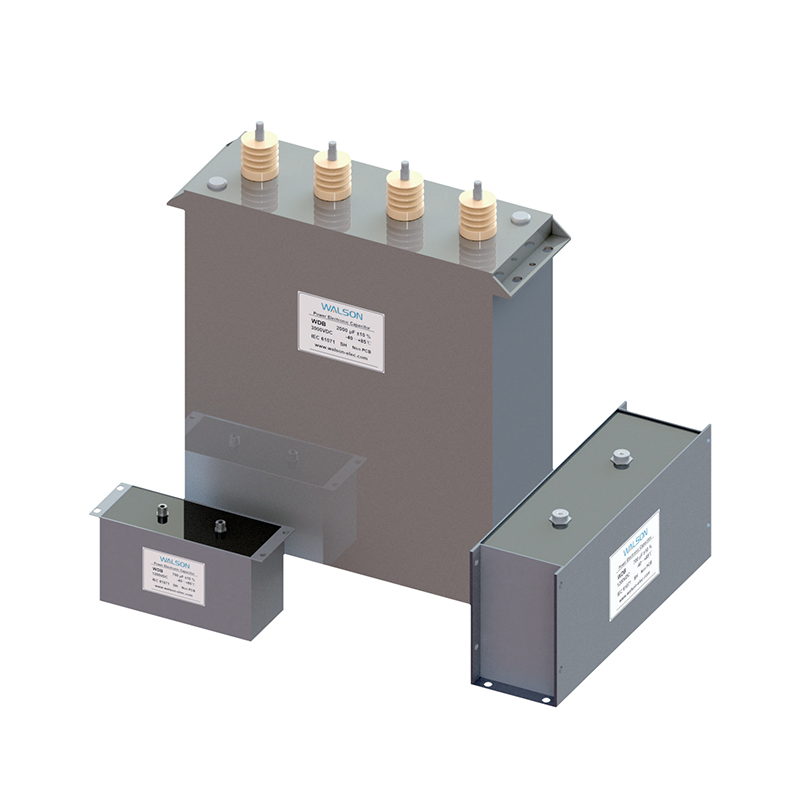
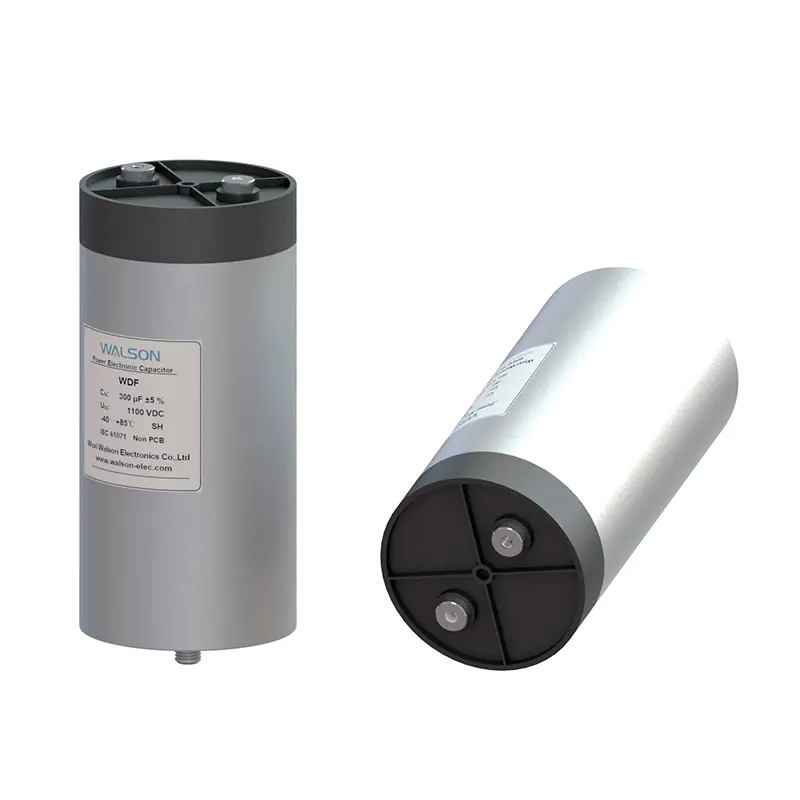
In the fields of motor drives and power electronics, a technological substitution involving DC-link capacitors is accelerating. Replacing conventional large-capacitance aluminum electrolytic capacitors in drivers with small-capacitance film capacitors is emerging as a key pathway to enhancing system reliability and power density.
Traditional AC-DC-AC motor drive systems commonly employ large-capacitance aluminum electrolytic capacitors as energy buffering elements on the DC bus to maintain relatively constant bus voltage. However, aluminum electrolytic capacitors suffer from large size, significant temperature-dependent lifespan degradation, and electrolyte evaporation. Their lifespan is typically less than 20,000 hours, with capacitance decaying rapidly under high-temperature conditions, making them one of the weakest links in drive system reliability. In contrast, metallized polypropylene film capacitors offer high voltage tolerance, low equivalent series resistance (ESR), low inductance (ESL), self-healing properties, lifespans exceeding 100,000 hours, non-polarity, and no electrolyte leakage risk.
The core logic at the technical level lies in the coordinated evolution of control strategies. When large-capacitance electrolytic capacitors are replaced with small-capacitance film capacitors, significant low-frequency voltage ripple appears on the DC bus, imposing higher demands on controller computational capability. By adopting active front-end control, improved PWM modulation techniques, and advanced angle control strategies, bus voltage fluctuations can be effectively suppressed, making film capacitor solutions engineering-feasible in motor drives. Research indicates that under specific topologies, film capacitor capacitance can be reduced to one-twentieth that of electrolytic capacitors, while demonstrating clear advantages in high-frequency pulse ripple suppression.
This technological trend has been validated in multiple application scenarios. In the field of on-board chargers for new energy vehicles, electrolytic capacitor-less solutions have been proven effective as alternatives to conventional designs. In household inverter air conditioners and industrial variable-frequency drives, small-capacitance film capacitor solutions are being gradually promoted, combined with high-performance microcontrollers to achieve stable motor control.
From a system perspective, the value brought by this substitution is multi-dimensional: significant capacitor volume reduction helps improve PCBA space utilization; elimination of electrolyte dry-out issues notably extends overall driver lifespan; and reduced pulse current pollution to the grid during charging instants naturally improves power factor. Although increased bus voltage ripple imposes higher demands on control algorithms, as microcontroller computational capabilities continue to strengthen, the engineering boundaries of this technological pathway are rapidly expanding.