简体中文
简体中文 English
 Español
Submit feedback
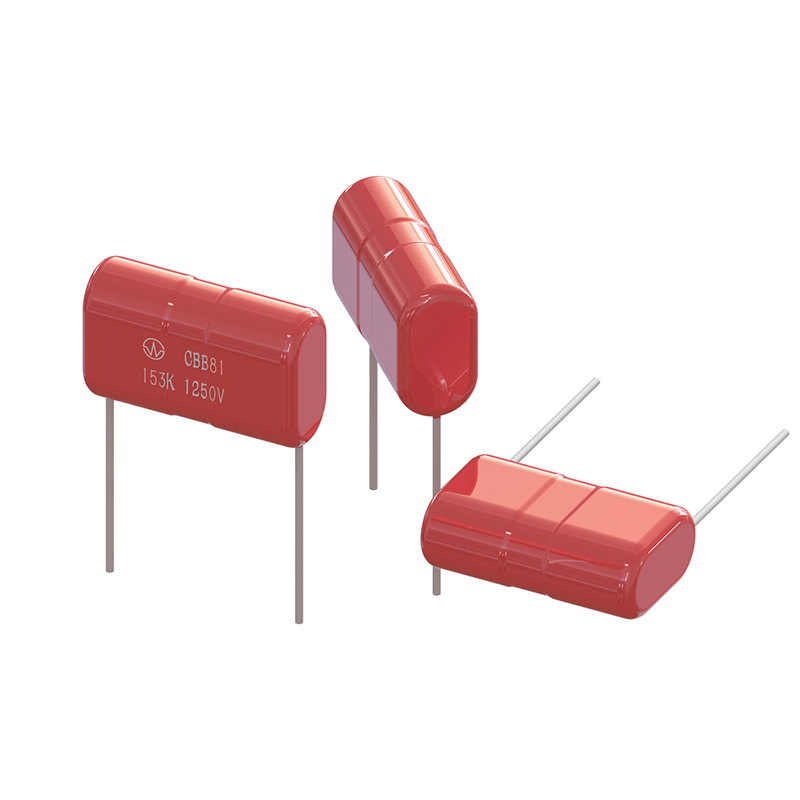
What Are the Key Benefits of Using Metallized Film Capacitors in Electronics?
Introduction
In the ever-evolving landscape of electronic components, capacitors play a critical role in maintaining the stability and performance of circuits. Among the various types of capacitors, metallized film capacitors have become increasingly popular due to their unique advantages in power electronics and other advanced applications.
Metallized film capacitors are particularly valued for their efficient performance in both high- and low-frequency applications. They are commonly used in power electronics, automotive electronics, and various communication systems due to their reliability, high insulation resistance, and low Equivalent Series Resistance (ESR). As we delve deeper into the characteristics of these capacitors, we will also compare them to other capacitor types and discuss their suitability for modern electronic designs.
What Are Metallized Film Capacitors?
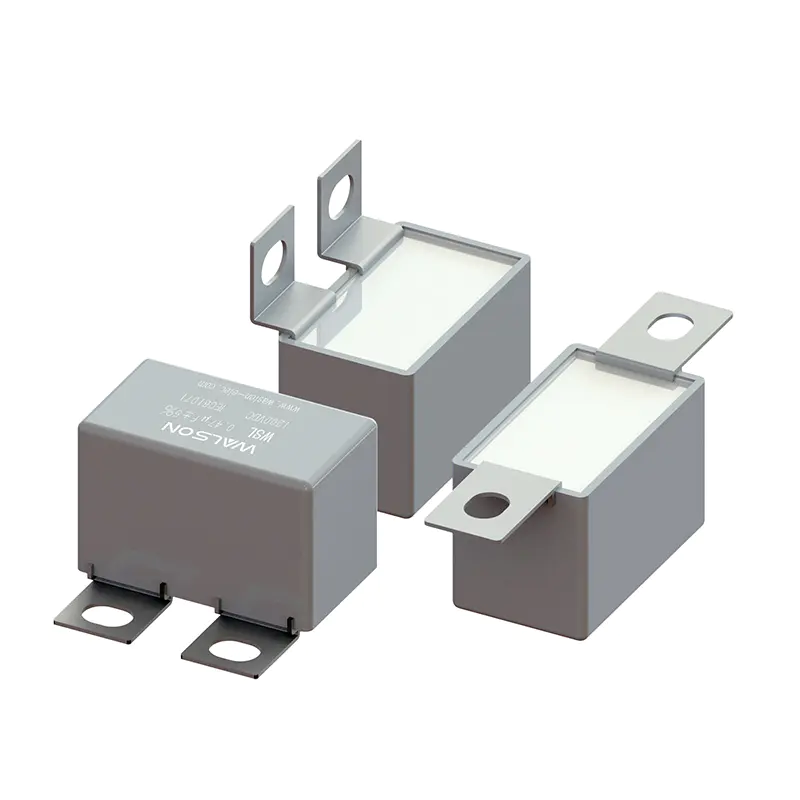
Metallized film capacitors are a type of film capacitor in which a thin layer of metal (usually aluminum or zinc) is vacuum-deposited onto a plastic film. This metal layer acts as the electrode for the capacitor. The dielectric material used in these capacitors is typically polypropylene or polyester film, which is known for its insulating properties.
The metalization process is a key part of their construction, as it contributes to the capacitor’s self-healing properties and overall performance. The metal layer can also help in improving the dielectric strength of the capacitor, allowing it to handle higher voltages without breakdown.
Key Benefits of Metallized Film Capacitors
Self-Healing Properties
One of the standout features of metallized film capacitors is their self-healing capability. If a dielectric breakdown occurs due to a short circuit or excessive voltage, the metallized layer will vaporize at the fault site, effectively removing the short circuit. This self-healing process ensures that the capacitor continues to function without permanent damage.
Self-healing is especially beneficial in high-reliability applications, where failure can significant system malfunctions. It also increases the longevity of the component, making it ideal for long-term use in critical systems.
High Dielectric Strength
The dielectric strength of a capacitor refers to its ability to withstand high voltages without breaking down. Metallized film capacitors are known for their high dielectric strength, which allows them to handle larger voltage fluctuations and spikes without sustaining damage. This makes them ideal for pulse applications and systems that involve transient voltage conditions, such as power supplies and electronic circuits with varying power demands.
Low Equivalent Series Resistance (ESR)
ESR is an important parameter in capacitors, especially when used in high-frequency and power electronics applications. Metallized film capacitors typically exhibit low ESR, which reduces power losses and heat generation in the capacitor. This feature contributes to the efficiency of electronic circuits, particularly in power electronics components like inverters, motors, and filters.
Low ESR also means that these capacitors are suitable for use in high-speed applications, where rapid switching and low energy losses are critical.
Excellent Stability and Reliability
Metallized film capacitors are designed to offer long-term stability. Their construction is robust and resistant to environmental factors such as temperature and humidity, making them reliable in demanding conditions. This high level of reliability makes them a popular choice for automotive electronics, industrial machinery, and power electronics, where failure is not an option.
Compact Size and Lightweight Design
Compared to other types of capacitors, metallized film capacitors are compact and lightweight. This allows them to be easily integrated into various designs, especially where space is limited, such as in compact electronic devices or automotive applications. Their small size, combined with their high capacitance values, makes them ideal for miniaturized, high-performance systems.
EMI Suppression
Electromagnetic interference (EMI) is a common issue in modern electronic systems, especially with the increasing complexity of digital circuits. Metallized film capacitors play a crucial role in EMI suppression, ensuring that electromagnetic noise is effectively filtered out. This capability is particularly important in telecommunications, audio equipment, and automotive systems, where clean signals are essential for system performance.
Cost-Effectiveness
While metallized film capacitors may be priced higher than some other types, their durability, reliability, and self-healing properties often result in lower maintenance costs over time. Additionally, they do not require external protective mechanisms, making them a cost-effective choice for many applications.
Metallized Film Capacitors in Power Electronics
In the realm of power electronics, metallized film capacitors are essential components for energy conversion systems, including DC-DC converters, inverters, and power factor correction circuits. Their ability to handle high voltage and provide stable performance in fluctuating power conditions makes them indispensable for efficient power management.
These capacitors are also commonly used in pulse applications, where rapid discharge and energy storage are required. Their high capacitance and dielectric properties allow for efficient energy storage and release, contributing to the overall performance of power electronics systems.
Applications of Metallized Film Capacitors
Metallized film capacitors are used across a wide range of industries due to their versatility. Some of the key applications include:
- Power Electronics: DC-DC converters, inverters, and motor drives
- Automotive Electronics: Powertrain and control systems, lighting circuits, and battery management
- Consumer Electronics: Audio equipment, power supplies, and video systems
- Telecommunications: Signal processing, voltage regulation, and EMI suppression
- Industrial Systems: Control systems, robotics, and HVAC applications
Comparison Table: Metallized Film Capacitors vs. Other Capacitor Types
| Property | Metallized Film Capacitors | Electrolytic Capacitors | Ceramic Capacitors |
|---|---|---|---|
| Dielectric Material | Polypropylene, Polyester | Electrolyte | Ceramic |
| Self-Healing | Yes | No | No |
| Voltage Rating | High (up to 1000V) | Moderate (up to 500V) | Low (up to 50V) |
| ESR | Low | High | Low to Moderate |
| Lifespan | Long | Shorter | Moderate |
| Size | Compact | Bulky | Small |
FAQ
1. What is the main advantage of metallized film capacitors over other types?
The key advantage is their self-healing property, which allows them to recover from dielectric breakdown, providing enhanced reliability and longevity.
2. Can metallized film capacitors be used in high-frequency applications?
Yes, they have low ESR and are suitable for high-frequency applications, making them ideal for power electronics and high-speed circuits.
3. How does the dielectric material affect the performance of a metallized film capacitor?
The choice of dielectric material (such as polypropylene or polyester) affects the capacitor’s dielectric strength, stability, and temperature tolerance. Polypropylene is particularly effective for high-voltage and high-frequency applications.
4. Are metallized film capacitors suitable for use in automotive systems?
Yes, their high reliability, compact size, and ability to handle high voltages make them ideal for use in automotive electronics, including powertrains and control systems.
5. How do metallized film capacitors compare to ceramic capacitors in terms of performance?
Metallized film capacitors typically offer better dielectric strength and self-healing properties compared to ceramic capacitors, though ceramic capacitors may be more compact and suitable for lower voltage applications.