简体中文
简体中文 English
 Español
Submit feedback
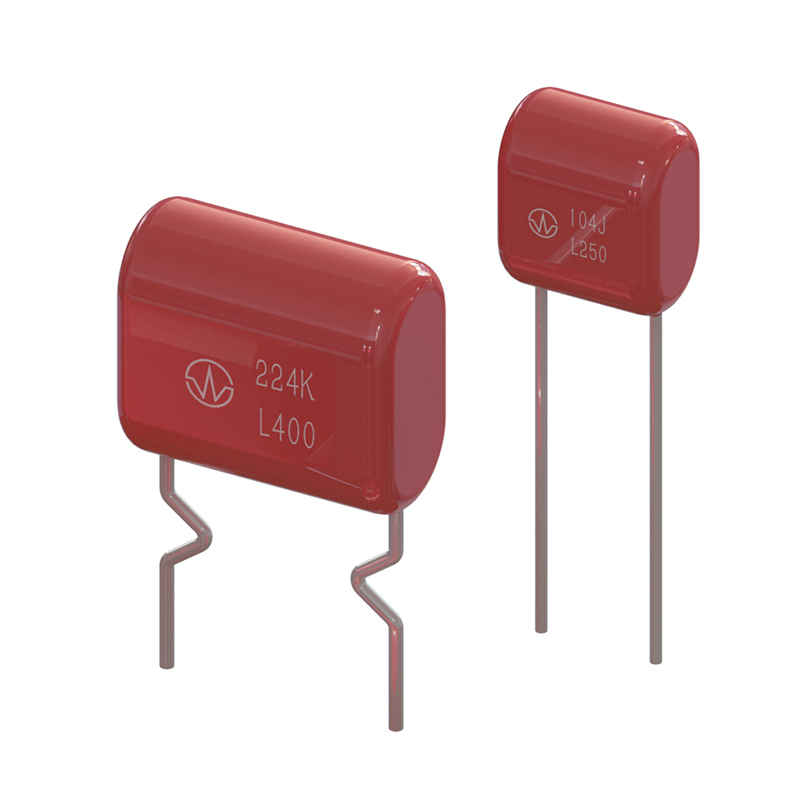
What Role Do Polyester Capacitors Play in Noise Reduction and Signal Filtering?
Introduction
Polyester capacitors, also known as Mylar capacitors, are widely used in various electronic applications due to their versatility and reliable performance. These capacitors are made from polyester film, offering electrical properties that make them ideal for signal filtering and noise reduction. As the need for stable electronic devices continues to grow, understanding the function of polyester capacitors in noise suppression and signal filtering is crucial for enhancing product efficiency and longevity.
What Are Polyester Capacitors?
Polyester capacitors are a type of film capacitor that uses a polyester plastic film as the dielectric material. These capacitors are known for their stability, reliability, and affordability, making them a preferred choice in many consumer and industrial applications. The polyester film provides insulation, which is crucial for maintaining the capacitor’s performance over time.
Polyester capacitors come in a wide range of capacitances and voltage ratings, allowing them to be used in a variety of applications, from small electronic devices to larger industrial systems.
Key Characteristics of Polyester Capacitors
High Dielectric Strength: Polyester capacitors have a high dielectric strength, which enables them to withstand high voltages without breaking down.
Durability: These capacitors are durable, offering long service life even in harsh environments.
Cost-Effectiveness: Polyester capacitors are relatively inexpensive compared to other types of capacitors, making them an affordable option for many applications.
Stable Performance: Their ability to maintain performance over a wide temperature range and under varying conditions makes them reliable for long-term use.
The Role of Polyester Capacitors in Noise Reduction
Noise reduction is essential in electronic circuits to ensure proper functionality and reduce interference. Noise can be introduced from external sources like radio frequency interference (RFI) or electromagnetic interference (EMI), or it can be generated internally within the circuit itself. Polyester capacitors play a significant role in minimizing these disturbances.
How Polyester Capacitors Mitigate Noise
Polyester capacitors are often used in filtering circuits to suppress noise. When installed in parallel with the power supply or signal line, they can filter out high-frequency noise signals, allowing the desired frequencies to pass through while blocking unwanted noise.
These capacitors act as low-pass filters, smoothing voltage fluctuations and reducing the impact of high-frequency interference on the circuit. This helps maintain the integrity of the signal and ensures the reliable operation of sensitive electronic components.
Applications of Polyester Capacitors in Noise Filtering
- Power Supply Filtering: Polyester capacitors are commonly used in power supply filters to prevent high-frequency noise from entering or leaving the system, ensuring clean power for sensitive components.
- Signal Filtering: In communication systems, polyester capacitors are used to filter out unwanted noise in the signal path, improving signal quality and clarity.
- Decoupling Capacitors: In digital circuits, polyester capacitors serve as decoupling capacitors to prevent noise from affecting the digital signal integrity.
Polyester Capacitors in Signal Filtering
Signal integrity is crucial in many modern electronic devices, especially those used in communication systems, audio equipment, and high-speed computing. Polyester capacitors help preserve the quality of the signals by filtering out noise and smoothing out voltage fluctuations.
Signal Filtering Mechanism
Polyester capacitors can filter signals by allowing only certain frequencies to pass through. In a typical circuit, a polyester capacitor is placed in series with the signal path. It blocks high-frequency noise by offering a low impedance path to these frequencies while allowing the desired signal frequencies to pass.
These capacitors are effective in attenuating unwanted noise at high frequencies, which is often the result of switching components or external interference. By using polyester capacitors in filtering applications, engineers can improve the overall performance and reliability of electronic systems.
Benefits of Polyester Capacitors in Signal Filtering
- Enhanced Signal Quality: By filtering out noise, polyester capacitors ensure that the signal remains clear and undistorted, which is especially important in high-frequency circuits.
- Reduced Signal Distortion: Polyester capacitors help maintain the integrity of the signal, preventing distortion that can arise from electrical noise.
- Improved Performance: In systems such as audio equipment or communication devices, reducing noise ensures better performance and a more reliable user experience.
Advantages of Polyester Capacitors in Noise and Signal Filtering
Wide Capacitance Range: Polyester capacitors come in a variety of capacitance values, which allows them to be used in a wide range of noise filtering applications.
Compact Design: These capacitors are available in small, compact packages, making them ideal for space-constrained applications such as handheld devices and portable electronics.
Stable Temperature Coefficient: Polyester capacitors exhibit a stable temperature coefficient, meaning their capacitance value doesn’t fluctuate significantly with changes in temperature. This is critical for applications where temperature stability is required for noise filtering.
Versatility: Polyester capacitors can be used in both AC and DC circuits, adding to their versatility in different types of noise reduction and signal filtering scenarios.
Comparison of Polyester Capacitors with Other Capacitor Types
While polyester capacitors are commonly used for noise reduction and signal filtering, other types of capacitors may also be used for similar purposes, each offering different advantages and trade-offs.
| Capacitor Type | Advantages | Disadvantages | Common Applications |
|---|---|---|---|
| Polyester Capacitors | Cost-effective, reliable, stable temperature response | Lower capacitance values compared to others | Power supplies, signal filtering, audio equipment |
| Ceramic Capacitors | High capacitance, high voltage tolerance | Higher cost, less stable at high frequencies | High-frequency applications, radio circuits |
| Electrolytic Capacitors | Higher capacitance, better for bulk filtering | Limited lifespan, sensitive to temperature and voltage | Power supply filtering, large equipment |
| Tantalum Capacitors | Stable performance, small size | Expensive, sensitive to over-voltage conditions | High-performance circuits, aerospace |
Key Considerations When Choosing Polyester Capacitors for Noise Reduction and Signal Filtering
When selecting a polyester capacitor for noise reduction or signal filtering applications, several factors need to be considered:
Capacitance Value: The capacitance value determines how effectively the capacitor can filter certain frequencies. Choosing the correct value is essential for performance.
Voltage Rating: Ensure that the capacitor’s voltage rating exceeds the voltage in the circuit to prevent breakdown.
Tolerance: Capacitors come with varying tolerance levels. Choose a capacitor with an appropriate tolerance for your application to ensure consistent performance.
Temperature Stability: Depending on the operating environment, temperature stability may be a crucial factor, especially in outdoor or industrial applications.
FAQ
1. What is a polyester capacitor?
- A polyester capacitor is a type of film capacitor that uses polyester plastic film as the dielectric material. It is commonly used for noise reduction and signal filtering in electronic circuits.
2. How do polyester capacitors reduce noise?
- Polyester capacitors reduce noise by filtering out high-frequency interference in power supply lines or signal paths, ensuring clean signals and stable operation of electronic components.
3. What are the advantages of polyester capacitors?
- Polyester capacitors offer benefits such as cost-effectiveness, durability, stable performance over a wide temperature range, and versatility in various electronic applications.
4. Where are polyester capacitors typically used?
- Polyester capacitors are widely used in power supply filtering, signal filtering, and decoupling applications in electronics, including audio equipment, communication systems, and digital circuits.
5. What are the alternatives to polyester capacitors for noise filtering?
- Alternatives to polyester capacitors include ceramic, electrolytic, and tantalum capacitors. Each type has its own advantages and is chosen based on the specific requirements of the circuit.
Conclusion
Polyester capacitors play a critical role in reducing noise and ensuring the integrity of signals in modern electronic devices. Their reliability, affordability, and ability to filter high-frequency noise make them an essential component in a wide range of applications. Whether used in power supplies, signal lines, or decoupling circuits, polyester capacitors contribute significantly to the smooth operation and longevity of electronic systems.