简体中文
简体中文 English
 Español
Submit feedback
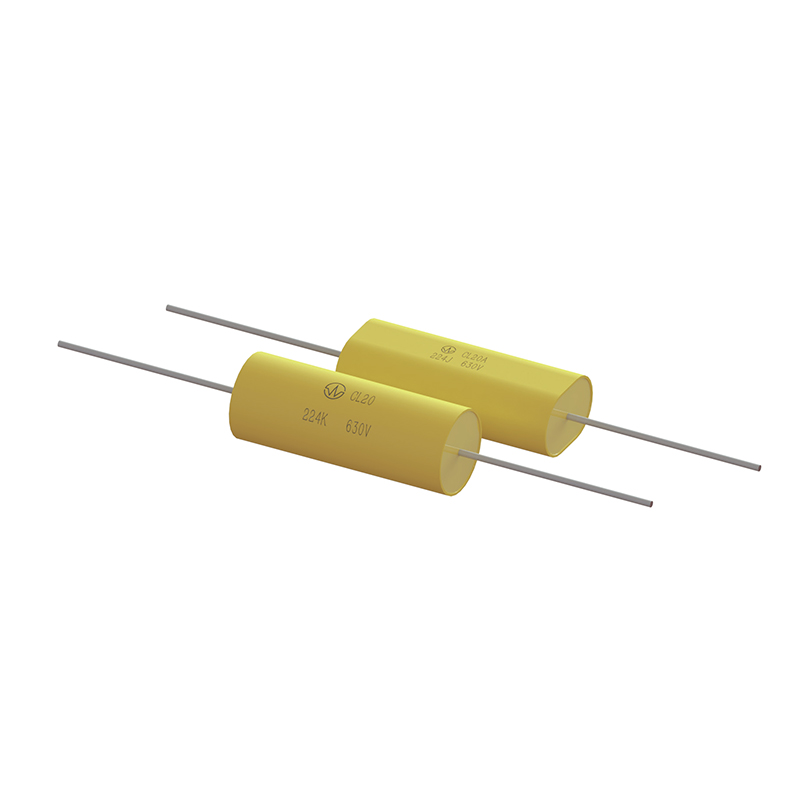
Understanding the Role of Low ESR Capacitors in Improving Electronic Performance
Introduction
Capacitors are an integral part of electronic circuits, responsible for storing and releasing energy in various applications. Among the different types of capacitors, low ESR (Equivalent Series Resistance) capacitors have gained significant attention due to their role in enhancing electronic performance.
What Is a Low ESR Capacitor?
To understand the significance of low ESR capacitors, it’s crucial to grasp the concept of ESR. ESR, or Equivalent Series Resistance, refers to the internal resistance that exists within a capacitor. This resistance can cause heat buildup and energy loss during the charging and discharging process, which can degrade the capacitor’s efficiency over time. Low ESR capacitors are designed to minimize this internal resistance, offering better performance, particularly in high-frequency applications.
Key Characteristics of Low ESR Capacitors:
- Low Resistance: Reduced ESR allows for faster charging and discharging cycles.
- Improved Efficiency: Less energy loss, which translates to more reliable performance.
- Higher Ripple Current Handling: These capacitors can handle higher ripple currents, making them suitable for power supplies and voltage regulation circuits.
How Low ESR Capacitors Enhance Electronic Performance
Low ESR capacitors play a vital role in improving the efficiency and reliability of electronic systems. Here’s how they contribute to better performance:
A. Reduced Heat Generation
In traditional capacitors with higher ESR, more energy is dissipated as heat during the charge/discharge process. This heat can affect the surrounding components and reduce the overall lifespan of the system. Low ESR capacitors minimize heat buildup, ensuring that the circuit operates within temperature ranges, thereby improving the longevity and performance of the device.
B. Faster Response Time
Low ESR capacitors offer quicker charge/discharge cycles compared to their high ESR counterparts. This is particularly important in circuits that require rapid voltage changes, such as in switching power supplies and high-frequency communication systems. The ability to charge and discharge rapidly improves the overall response time of the circuit, making the system more efficient and responsive.
C. Better Power Supply Performance
In power supply circuits, low ESR capacitors are essential for stabilizing the output voltage. They help in smoothing out fluctuations and reducing ripple currents, resulting in more stable power delivery. This is critical in sensitive electronic devices like processors and communication equipment, where even minor voltage fluctuations can errors or malfunction.
D. Improved Noise Suppression
Capacitors with low ESR are more effective at filtering out unwanted noise from power sources. In electronic systems, noise can cause signal distortion, causing to degraded performance. Low ESR capacitors help maintain signal integrity by reducing high-frequency noise, which is especially important in audio and radio-frequency (RF) applications.
Applications of Low ESR Capacitors
Low ESR capacitors are used in a wide range of applications, where their performance makes a significant difference. Here are some key areas where low ESR capacitors are commonly employed:
A. Power Supplies
Power supplies require capacitors that can handle high ripple currents and minimize voltage fluctuations. Low ESR capacitors are ideal for these applications as they provide stable output and efficient filtering, ensuring smooth operation of power regulation systems.
B. Voltage Regulators
In voltage regulation circuits, low ESR capacitors are used to ensure that voltage is maintained at the desired level. They help minimize ripple and noise, ensuring that sensitive components receive stable power, thus extending the lifespan of the entire system.
C. Audio Systems
High-performance audio systems demand capacitors that can handle high frequencies without distorting the signal. Low ESR capacitors are critical in these systems as they provide better noise filtering, improving the overall audio quality and reducing unwanted interference.
D. Communication Equipment
In RF circuits, low ESR capacitors are used to stabilize power and improve signal clarity. Their ability to reduce noise and handle high-frequency signals makes them an essential component in modern communication systems, from mobile phones to satellite receivers.
E. Consumer Electronics
From televisions to gaming consoles, low ESR capacitors are widely used in consumer electronics. Their role in power supply circuits, voltage regulation, and noise suppression ensures that these devices perform optimally, with minimal risk of malfunction or failure.
Advantages of Low ESR Capacitors
Low ESR capacitors offer several advantages over traditional capacitors with higher ESR, including:
A. Increased Reliability
By reducing internal resistance and heat generation, low ESR capacitors help prevent premature failure and extend the life of electronic components. This is particularly important in critical applications where reliability is a top priority.
B. Enhanced Performance
The ability to handle higher ripple currents and operate efficiently at higher frequencies makes low ESR capacitors ideal for performance-critical applications. They provide faster response times, better noise suppression, and improved power efficiency.
C. Compact Design
Low ESR capacitors often come in smaller packages without compromising performance. This makes them suitable for use in compact electronic devices where space is limited but high performance is still required.
Considerations When Choosing a Low ESR Capacitor
While low ESR capacitors offer numerous benefits, it’s important to consider the following factors when selecting the right capacitor for your application:
A. Capacitance Value
The capacitance value determines how much charge the capacitor can store. Selecting the correct capacitance value is crucial for the overall performance of the circuit.
B. Voltage Rating
The voltage rating of a capacitor indicates the voltage it can withstand without failing. Ensure that the voltage rating of the capacitor is appropriate for the application to prevent damage to the capacitor and the circuit.
C. Size and Form Factor
Depending on the space constraints of the device, you may need to choose a capacitor that fits within the available space. Low ESR capacitors come in a variety of sizes and form factors, from small SMD (Surface-Mount Device) packages to larger radial types.
D. Operating Temperature Range
Capacitors are rated for specific temperature ranges. Low ESR capacitors with wider operating temperature ranges are more versatile and suitable for use in harsh environments.
E. Cost-Effectiveness
While low ESR capacitors offer performance, they may come at a higher price than regular capacitors. It’s essential to balance performance requirements with cost considerations when selecting a capacitor for your design.
Conclusion
Low ESR capacitors are an essential component in modern electronics, offering enhanced performance, reliability, and efficiency. Their ability to minimize heat generation, reduce noise, and handle higher ripple currents makes them ideal for applications in power supplies, voltage regulators, communication equipment, and more. By understanding the role of low ESR capacitors and selecting the right one for your application, you can improve the performance and longevity of your electronic devices.
FAQ
Q1: What is the main advantage of using low ESR capacitors in electronic circuits?
The main advantage is their ability to minimize internal resistance, reducing heat generation and energy loss, causing to improved efficiency and reliability of the circuit.
Q2: Can low ESR capacitors be used in high-frequency circuits?
Yes, low ESR capacitors are ideal for high-frequency circuits, as they provide faster charging and discharging cycles, improving the circuit’s response time.
Q3: What are some common applications for low ESR capacitors?
Low ESR capacitors are commonly used in power supplies, voltage regulators, audio systems, communication equipment, and consumer electronics.
Q4: How do low ESR capacitors improve power supply performance?
They reduce ripple currents and voltage fluctuations, providing more stable and efficient power delivery to the system.