简体中文
简体中文 English
 Español
Submit feedback
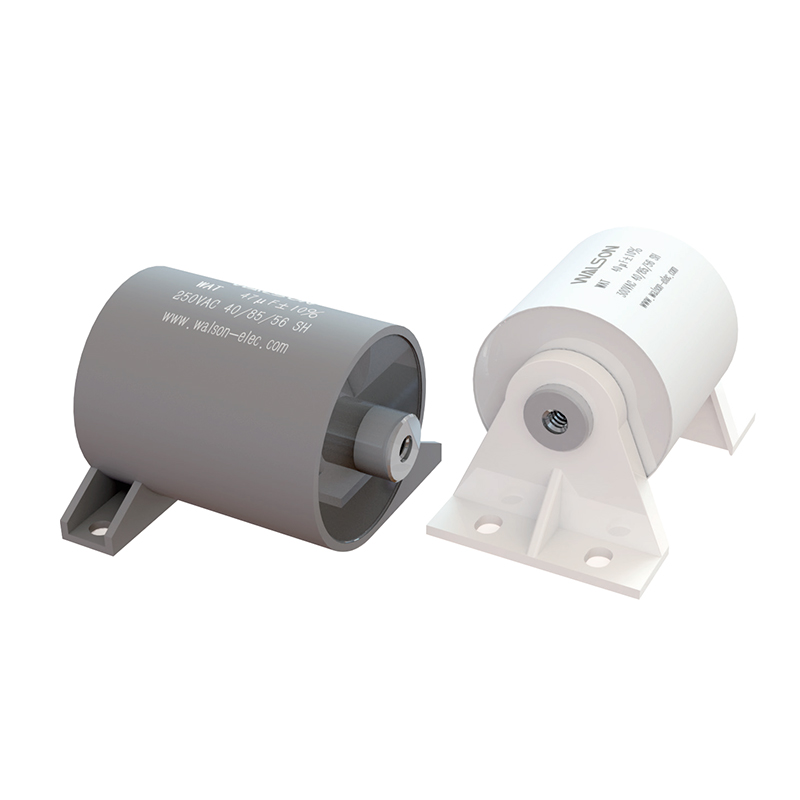
AC Film Capacitor: Key Factors Affecting Performance and Reliability
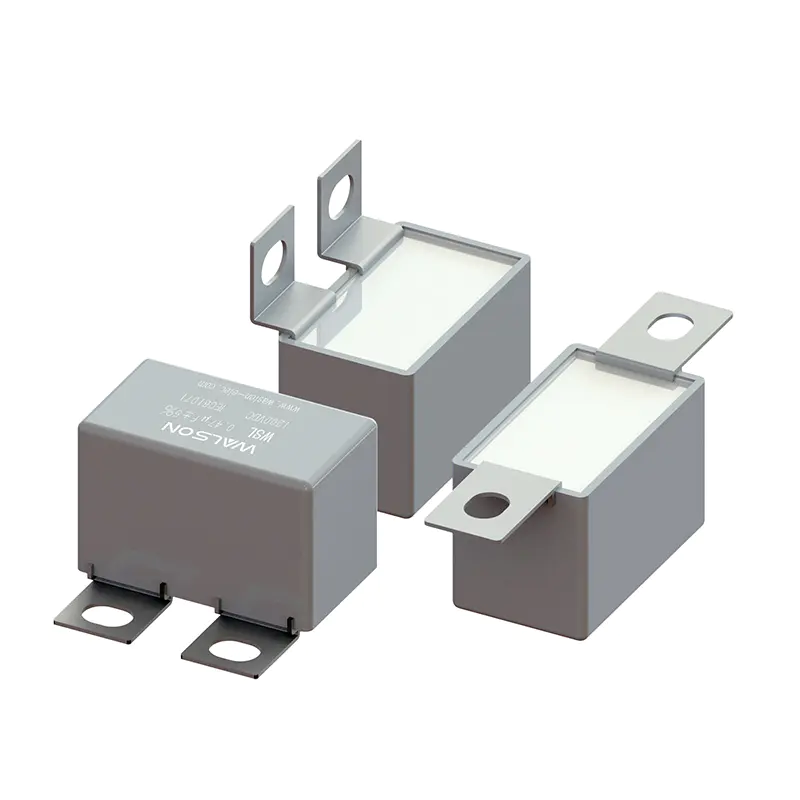
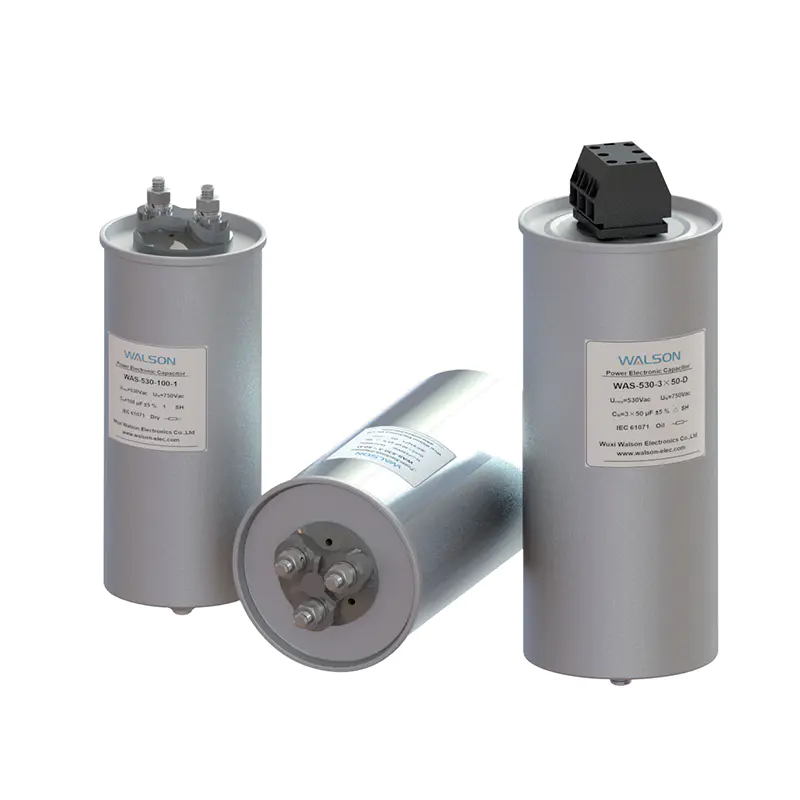
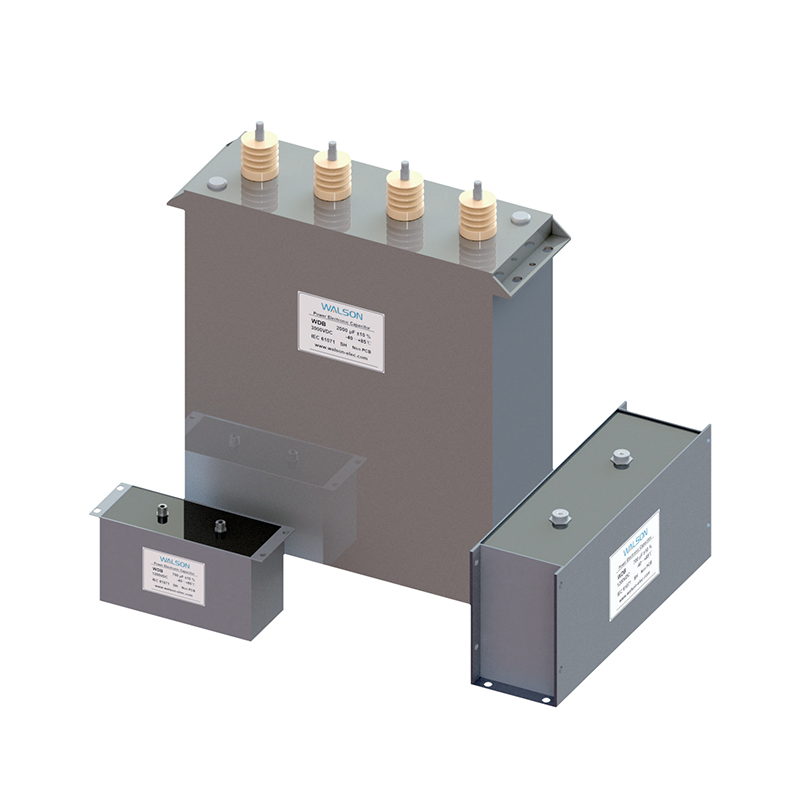
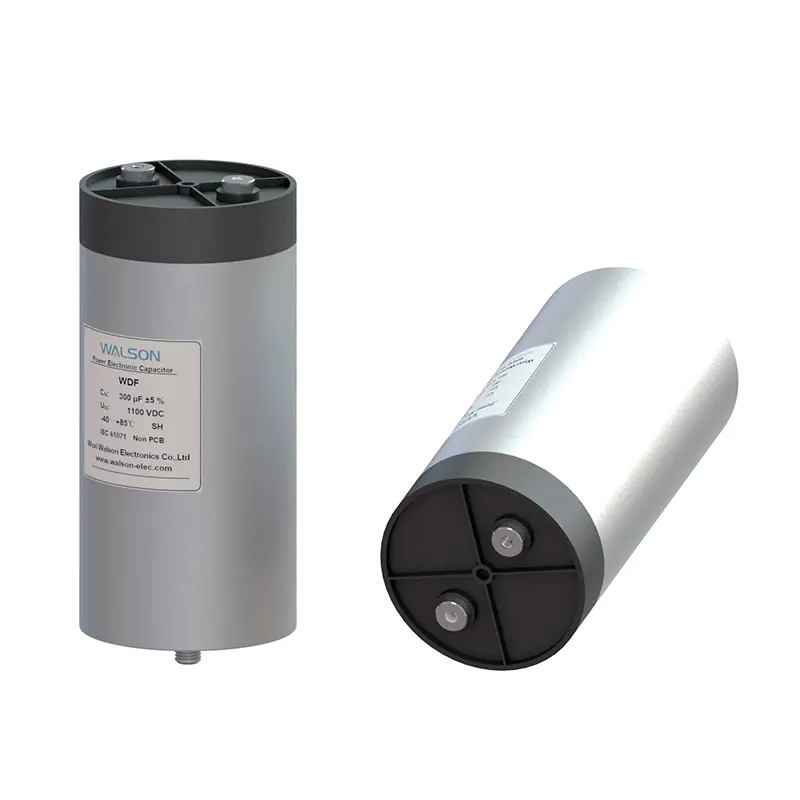
In modern power conversion environments, the AC film capacitor has become a preferred passive component for applications that require stable capacitance, long service life, and high dielectric endurance under alternating current conditions. As power systems evolve toward higher efficiency and greater switching frequency, the performance and reliability of AC film capacitors attract increasing engineering attention.
Structural Principles of AC Film Capacitors
The AC film capacitor adopts a dielectric polymer film—typically polypropylene (PP) or, in some cases, polyester (PET)—combined with metallized electrodes or aluminum foil layers. The structure forms a self-healing and thermally stable architecture suitable for AC stress, repetitive ripple current, and high pulse loads.
Dielectric Film Material
The dielectric film defines the fundamental electrical characteristics of the capacitor. Polypropylene film is commonly used due to its low dielectric loss, high insulation resistance, low dielectric absorption, and strong long-term stability under sinusoidal or pulse AC voltage. Polyester film, while offering higher dielectric constant and smaller size, exhibits larger dissipation factor and reduced temperature tolerance, limiting its suitability for high-frequency or high-stress AC environments.
Metallization and Self-Healing Mechanism
The metallized film structure remains one of the essential innovations behind the AC film capacitor. A thin metallic layer—often a vacuum-deposited zinc-aluminum alloy—serves as an electrode. When a dielectric breakdown occurs microscopically, the local metallization evaporates instantly, isolating the defect and restoring the insulating integrity. This self-healing process significantly enhances reliability and prolongs lifespan, especially under high-pulse or surge conditions.
Winding, Sealing, and Resin Encapsulation
To withstand AC ripple and mechanical vibrations, the capacitor element is wound with controlled tension, flattened to reduce inductance, and sealed in a case using epoxy resin, flame-retardant plastic, or metal enclosures depending on the application. Encapsulation quality determines moisture resistance, thermal dissipation efficiency, and resistance to corona effects.
Key Performance Metrics of AC Film Capacitors
The performance of an AC film capacitor depends on a set of electrical, thermal, and mechanical parameters that influence both immediate functionality and long-term endurance.
Capacitance Stability
Capacitance drift over time is a primary indicator of dielectric reliability. Polypropylene capacitors exhibit minimal capacitance decrease, generally attributed to metallization erosion during occasional self-healing events. Proper film thickness and controlled metallization resistance can reduce this drift.
Dissipation Factor (Loss Factor)
A low dissipation factor ensures minimal energy loss during AC operation. It directly influences heat generation and temperature rise inside the component. With polypropylene film, the dissipation factor remains extremely low across a wide frequency range, enabling efficient operation in high-frequency inverters and resonant converters.
RMS Current and Ripple Current Capability
Ripple current generates thermal stress. Insufficient ripple capability may cause overheating, reduced insulation resistance, and eventual breakdown. Engineers must evaluate thermal resistance, heat conduction path, and cooling methods to maintain safe operation under continuous AC load.
Voltage Rating and Overvoltage Behavior
An AC film capacitor must withstand continuous sinusoidal voltage, transient spikes from switching devices, and surges induced by grid fluctuations. Parameters such as peak voltage, dv/dt capability, and partial discharge inception voltage (PDIV) play decisive roles in determining suitability for various topologies including motor run circuits or grid-connected inverter modules.
Thermal Resistance and Ambient Temperature Limits
Temperature is the dominant factor influencing lifetime. Elevated temperature accelerates dielectric aging, reduces self-healing effectiveness, and accelerates metallization degradation. Capacitors used in high-density power electronics must pair thermal optimization with proper placement in areas with adequate ventilation.
Common Parameters and Engineering Meaning
| Parameter | Engineering Meaning | Influence on Performance | Typical Application Relevance |
|---|---|---|---|
| Capacitance Range | Defines reactive energy storage | Determines AC filtering, power factor correction effectiveness | Motor run circuits, HVAC systems |
| Dissipation Factor | Indicator of dielectric loss | Affects heating and efficiency | High-frequency power converters |
| Rated AC Voltage | Maximum continuous AC level | Relates to insulation strength and safety margin | Grid-connected inverters |
| Ripple Current Rating | Maximum allowable RMS current | Impacts thermal stress and lifetime | Industrial drives, UPS systems |
| dv/dt Capability | Ability to handle fast voltage change | Prevents dielectric stress concentration | Resonant converters, snubber circuits |
| Operating Temperature | Ambient temperature limits | Defines reliability under harsh conditions | Outdoor and high-density electronics |
This table provides a general comparison for engineers conducting preliminary component selection based on high-level system requirements.
Factors Affecting Performance and Reliability
The reliability of an AC film capacitor is influenced by a combination of intrinsic material characteristics and external stress conditions. These factors interact continuously, and failure typically results from cumulative degradation rather than isolated events.
Electrical Stress Factors
Overvoltage and Surge Events
AC film capacitors are sensitive to repetitive overvoltage conditions. While self-healing contributes to safety, excessive surge exposure results in metallization depletion, progressive capacitance loss, and increased ESR. Designers must ensure appropriate derating of voltage ratings and consider transient suppression measures.
High dv/dt and High-Frequency Stress
High-frequency circuits impose rapid voltage transitions, causing local stress in the dielectric. With increasing switching speeds in inverters, dv/dt stress becomes more severe and demands optimized metallization profiles and internal geometry.
Harmonic Content and Non-sinusoidal Waveforms
Non-sinusoidal AC waveforms introduce substantial RMS current and thermal load. Harmonics originating from switching converters or distorted grids can elevate stress beyond nominal ratings. Engineers must evaluate harmonic distribution when selecting capacitor parameters.
Thermal Stress Factors
Temperature drives almost every aging mechanism within AC film capacitors. Higher temperature accelerates chemical reactions, moisture ingress sensitivity, metallization oxidation, and dielectric softening.
Internal Heat Generation
Losses from ESR, dielectric dissipation, and ripple current contribute to temperature rise. Even small differences in dissipation factor result in significant thermal accumulation under high current conditions.
Ambient Temperature Environment
Ambient heat sources, airflow constraints, and enclosure design heavily influence capacitor temperature. Long-term operation near the upper temperature limit drastically shortens lifespan.
Thermal Cycling
Repeated heating and cooling cycles cause the thin film layer to expand and contract mechanically, resulting in curling deformation, microcrack formation, and potential rupture over time.
Environmental Stress Factors
Humidity and Moisture Ingress
Moisture reduces insulation resistance and enhances the probability of partial discharges. Proper sealing, selection of resin materials, and environmental consideration during installation are crucial for preventing humidity-induced failures.
Vibration and Mechanical Shock
Mechanical vibration affects wound elements and connections. Applications such as industrial drives or large rotating machines require robust mechanical design, reinforced terminals, and damping structures.
Chemical and Dust Contamination
Corrosive chemicals or dust can damage the capacitor casing and terminals. Adequate enclosure design, ventilation filtration, and conformal coatings mitigate risk.
Reliability Mechanisms and Failure Modes
Understanding failure modes helps engineers refine selection criteria and predict lifetime more accurately.
Dielectric Breakdown
Dielectric breakdown occurs when electric field strength exceeds the material limit. Self-healing typically isolates minor breakdowns, but repeated events or large breakdowns may catastrophic failure.
Metallization Erosion
Self-healing consumes metallization around breakdown points. If erosion becomes excessive, capacitance decreases and ESR increases. Preventing frequent breakdowns through proper voltage derating is essential.
Partial Discharge and Corona Degradation
Corona effects at high voltage cause local chemical reactions that degrade dielectric materials. Proper winding geometry, high PDIV film, and effective sealing minimize corona formation.
Thermal Runaway
Insufficient heat dissipation can cause rising temperature, increasing loss factor, which generates additional heat—a feedback loop that may failure.
Terminal and Connection Failures
Terminal heating, mechanical stress, or improper soldering can create high resistance junctions. These points can generate localized overheating and degraded performance.
Best Practices for Design and Application
To ensure performance and long-term reliability, engineers must take a holistic approach.
Voltage and Current Derating
Applying appropriate derating significantly extends capacitor life. Common recommendations include:
- Operating at 70–80% of rated AC voltage
- Limiting RMS current to ensure moderate temperature rise
- Reducing peak current in high-pulse circuits through series inductors or snubber networks
Thermal Management
Effective thermal control includes:
- Optimized PCB layout to minimize hot spots
- Adequate airflow or forced cooling
- Avoidance of proximity to heat-generating components
Proper Selection of Dielectric Film
For high-frequency or high-stress applications, polypropylene film remains preferred. Engineers should consider film thickness, metallization pattern, and expected self-healing frequency during selection.
Mechanical Reinforcement and Structural Reliability
Install capacitors with anti-vibration support in mobile or high-vibration environments. Ensure terminals are mechanically reinforced and free from external stress.
Environmental Protection
Sealed housings, protective coatings, and moisture-resistant encapsulation provide reliable operation in humid or corrosive environments.
Predictive Maintenance and Monitoring
Using thermal sensors, current monitoring, or condition-based diagnostics helps detect early signs of aging such as rising ESR, capacitance drop, or abnormal heating.
Application Highlights
Motor Run Circuits
AC film capacitors offer high durability for continuous sinusoidal operation in motor start/run and HVAC blower circuits.
Renewable Energy Inverters
In photovoltaic inverters and wind converters, these capacitors ensure filtering, damping, and DC-link stabilization while handling ripple and harmonic stress.
Industrial Drives and Automation
Their low ESR and robust thermal behavior make them suitable for demanding industrial drive conditions with high switching frequencies.
High-Frequency Power Supplies
Low loss factor and minimal inductance support resonant converters, soft-switching systems, and pulse power circuits.
Conclusion
The AC film capacitor remains an indispensable component across modern electrical and electronic systems due to its stable dielectric properties, self-healing capability, low losses, and strong environmental resilience. Performance and reliability depend on a carefully balanced interaction between electrical stress, thermal management, material characteristics, structural design, and environmental conditions.
FAQ
1. What makes an AC film capacitor suitable for high-frequency applications?
Its low dissipation factor, low ESR, and stable polypropylene dielectric allow efficient operation with minimal heat generation, even under high dv/dt stress.
2. How does self-healing improve reliability?
Self-healing isolates micro-defects in the dielectric by vaporizing small regions of metallization, preventing larger breakdowns and extending component lifetime.
3. Why is temperature the critical factor affecting lifetime?
High temperature accelerates metallization degradation, increases dielectric loss, and promotes faster aging, which directly shortens the service life of the capacitor.
4. What are the primary failure modes in AC film capacitors?
Common failure modes include dielectric breakdown, metallization erosion, partial discharge degradation, thermal runaway, and terminal connection overheating.
5. How should engineers select the correct AC film capacitor for their system?
Selection should consider rated voltage, RMS ripple current, dv/dt capability, dissipation factor, thermal environment, mechanical requirements, and expected lifetime.