简体中文
简体中文 English
 Español
Submit feedback
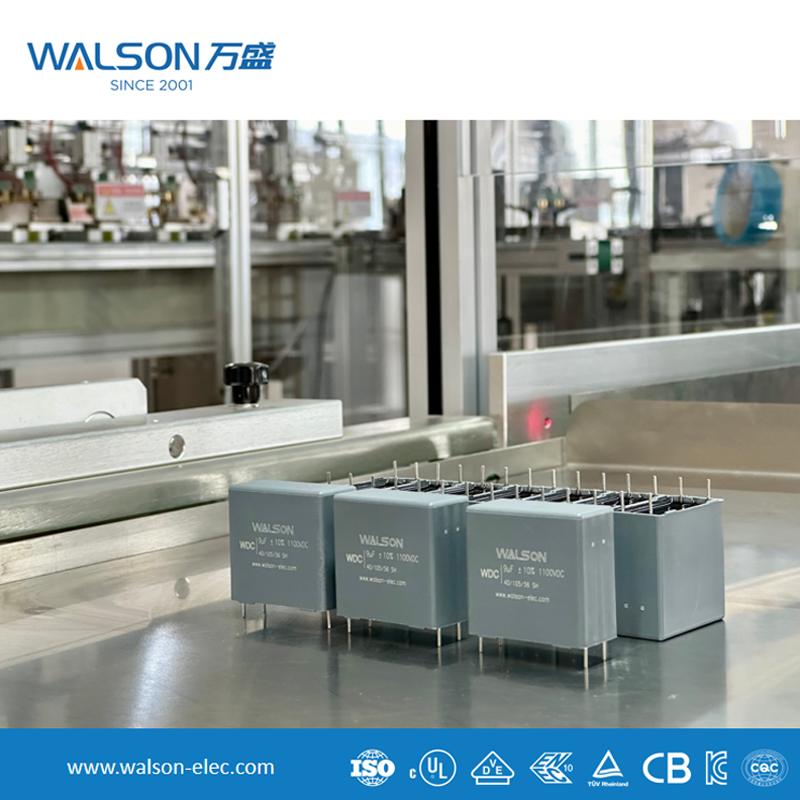
Analysis of Film Capacitors Replacing Electrolytic Capacitors in DC-Link Applications
With the rapid development of new energy vehicles, photovoltaic energy storage, and AI computing infrastructure, the DC-Link capacitor—a core component for voltage smoothing and filtering in power electronics—is undergoing a technological shift from electrolytic capacitors to film capacitors.
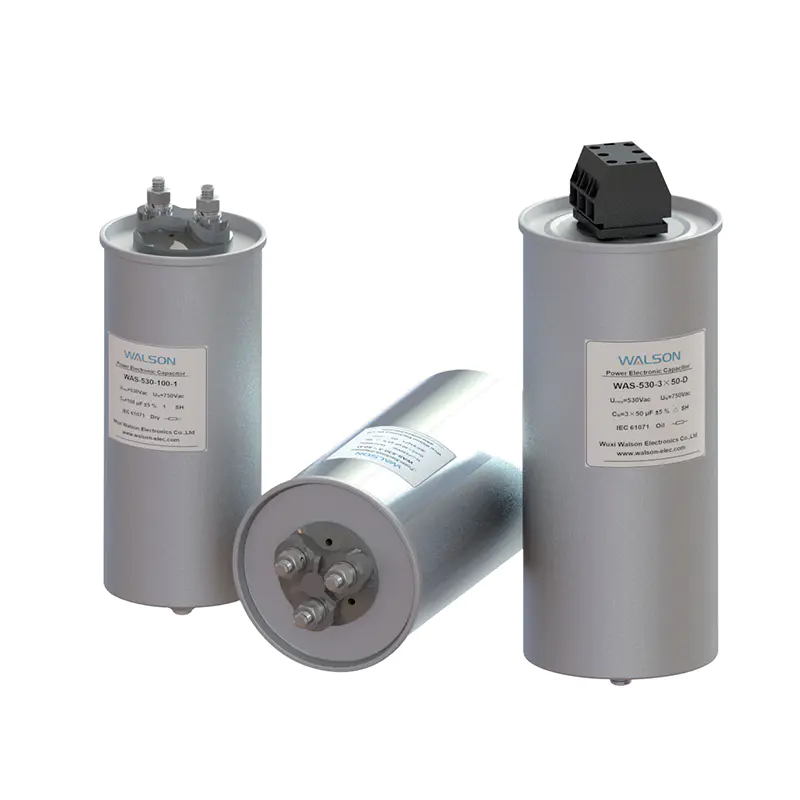
In traditional industrial motor drives and UPS systems, aluminum electrolytic capacitors have long dominated the DC-Link position due to their low cost and high capacitance. However, as bus voltages rise from 400V to 800V and beyond, the limitations of electrolytic capacitors have become increasingly apparent. First, aluminum electrolytic capacitors have high equivalent series resistance (ESR), approximately 10-15 times that of film capacitors, leading to significant heat generation and power loss at high switching frequencies. Second, a single electrolytic capacitor typically has a rated voltage not exceeding 550V, requiring multiple units connected in series with balancing resistors in 800V systems—this increases system complexity and failure points while reducing reliability.
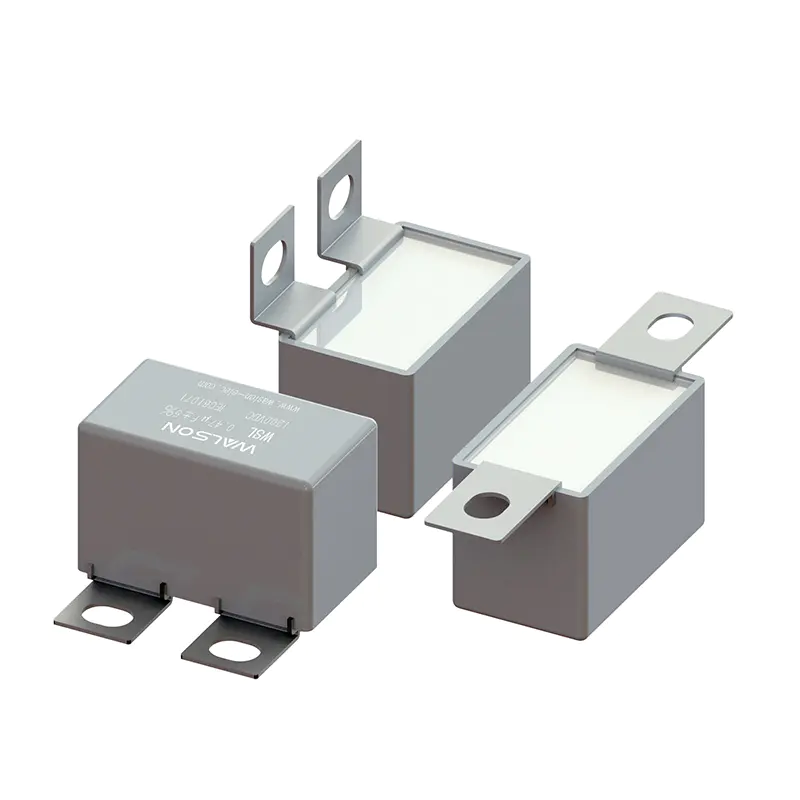
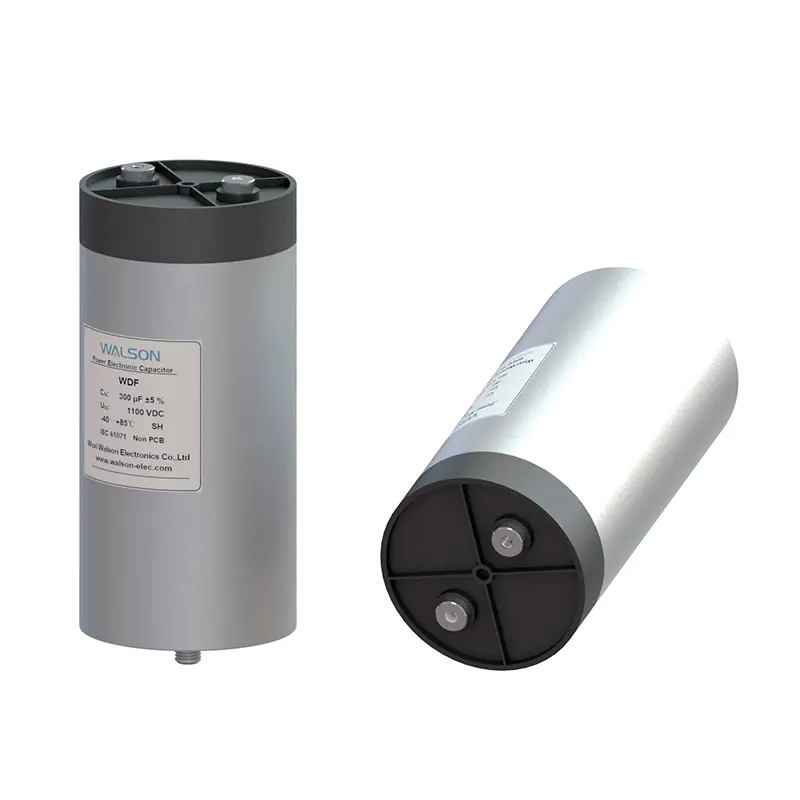
Film capacitors, by contrast, offer significant technical advantages. Their ESR is as low as milliohm levels, with resonant frequencies reaching tens of kHz, making them fully compatible with the high-frequency switching requirements of SiC MOSFETs and IGBTs, effectively absorbing ripple currents and suppressing voltage surges. Furthermore, film capacitors can withstand voltages above 1500V without series connection, feature self-healing properties, and typically fail in an open-circuit mode—offering far superior safety compared to the short-circuit and explosion risks of electrolytic capacitors.
Practical application data validates this trend. One major automaker's 800V electric drive platform replaced 22 aluminum electrolytic capacitors with just 8 film capacitors, reducing PCB area by over 50% and improving peak system efficiency by approximately 1.5%. Research shows that film capacitor solutions can boost drive system power density from 2.99kW/L to 13.3kW/L. Industry data indicates that in 2022, DC-Link film capacitor-based electric drive inverters reached 5.11 million units, accounting for 88.7% of all electric control inverter installations. Today, over half of new energy vehicles in China use domestically produced DC-Link film capacitors, with manufacturers accelerating capacity expansion to meet market demand.
Of course, film capacitors are not a "drop-in" replacement for electrolytic capacitors—they have lower capacitance density and higher cost per microfarad, requiring trade-offs in high-energy-storage applications. However, as 800V high-voltage platforms become mainstream, film capacitors have emerged as the definitive choice for DC-Link applications, owing to their superior high-frequency performance, reliability, and extended lifetime.