简体中文
简体中文 English
 Español
Submit feedback
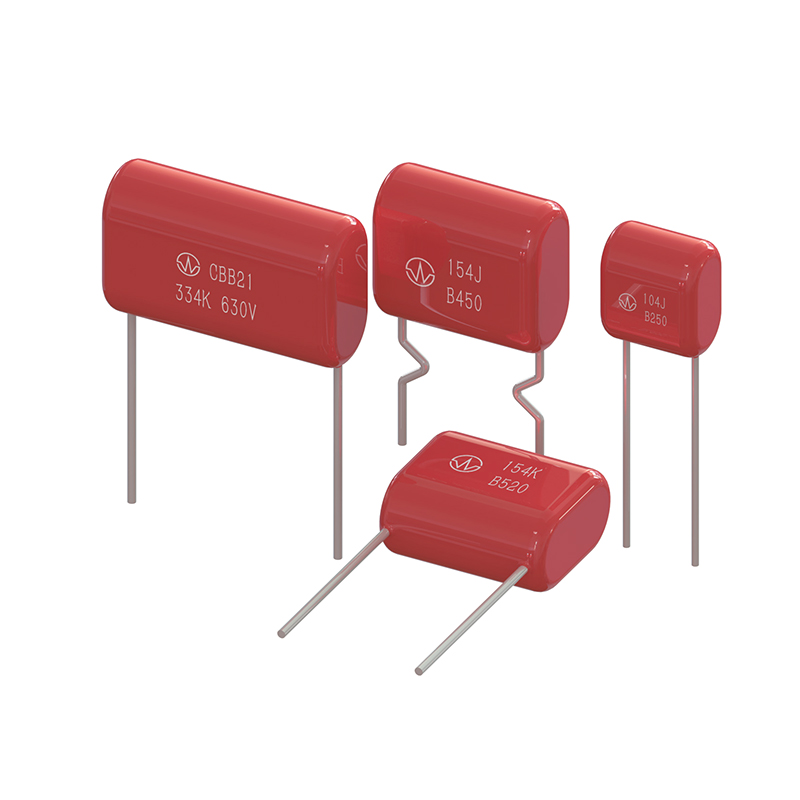
How Do Self-Healing Capacitors Enhance the Performance of Power Supply Systems?
Introduction
In power supply systems, capacitors play a critical role in stabilizing voltage, smoothing power supply fluctuations, and supporting efficient energy transmission. Traditional capacitors, while effective, can deteriorate over time, which may result in potential system failures. Self-healing capacitors represent a significant advancement in capacitor technology. These capacitors not only offer the same functionalities as their traditional counterparts but also feature the ability to recover from certain internal faults, ensuring enhanced reliability and prolonged operational life.
What Are Self-Healing Capacitors?
Self-healing capacitors are designed with a unique feature that allows them to recover from minor electrical faults, such as short circuits or dielectric breakdowns, without losing their functionality. This self-repair capability is made possible by a special dielectric material that can “heal” when damaged. When a failure occurs, the material creates an insulating layer around the damaged area, preventing further disruption of the capacitor’s performance.
The key benefits of self-healing capacitors in power systems are:
- Improved reliability: The self-healing property minimizes the likelihood of catastrophic failure.
- Extended lifespan: The ability to recover from minor faults helps prolong the operational life of the capacitor.
- Reduced maintenance costs: With self-healing capacitors, the need for replacement or repair is significantly reduced, resulting in lower overall maintenance costs.
How Self-Healing Capacitors Work
Self-healing capacitors utilize a dielectric material that is typically made of polymer or metalized films. When a fault occurs within the capacitor, such as a short circuit due to a localized breakdown in the dielectric, the metalized film melts at the affected area, and the capacitor self-heals by forming a new insulating barrier around the damaged spot. This process ensures that the capacitor continues to function even after experiencing damage.
Key Elements of Self-Healing Process:
- Dielectric Breakdown: A localized fault occurs within the dielectric material.
- Material Melting: The affected area of the metalized film melts, which isolates the fault.
- Reconstruction of Insulation: The surrounding material forms a new insulating layer to prevent further failure.
This healing process allows the capacitor to continue operating normally without the need for external intervention, ensuring minimal disruption in power supply systems.
Benefits of Self-Healing Capacitors in Power Supply Systems
Enhanced Reliability and Safety
One of the primary advantages of self-healing capacitors is their enhanced reliability. In power supply systems, failure of critical components can downtime, increased maintenance, or even complete system failure. By minimizing the risk of catastrophic failure, self-healing capacitors offer a more reliable solution, reducing the likelihood of costly and inconvenient shutdowns.
In high-voltage applications, where failure can dangerous situations, the self-healing property adds an additional layer of safety by preventing complete breakdowns in the capacitor’s operation.
Improved Performance Under Stress
Power supply systems often operate under conditions, such as fluctuating voltage and high currents. Traditional capacitors may degrade more quickly under such stress, reducing their overall performance. In contrast, self-healing capacitors maintain their performance even in the presence of minor faults, ensuring that power supply systems continue to operate efficiently without interruption.
The ability to withstand electrical stress and recover from damage allows these capacitors to perform better in high-demand applications, ensuring that critical equipment operates without issues.
Longer Lifespan and Reduced Replacement Frequency
Self-healing capacitors are designed to last longer than traditional capacitors because of their ability to recover from minor failures. This characteristic greatly extends their operational life, reducing the need for frequent replacements. The result is a more cost-effective solution in the long run, as the need for maintenance and replacement is minimized.
Applications of Self-Healing Capacitors in Power Supply Systems
Self-healing capacitors are used in a variety of applications where reliability and performance are critical. Some common applications include:
- Power grids: In electrical distribution systems, capacitors are used for voltage regulation and power factor correction. Self-healing capacitors ensure that these systems remain stable even in the face of transient faults.
- Renewable energy systems: Solar power systems, inverters, and wind turbines all rely on capacitors to maintain energy stability. The use of self-healing capacitors helps ensure the uninterrupted operation of these systems.
- Industrial power supply systems: In manufacturing plants and industrial machinery, capacitors are used for filtering and smoothing power supply. Self-healing capacitors provide enhanced durability and performance in these harsh environments.
Comparing Self-Healing Capacitors to Traditional Capacitors
| Feature | Self-Healing Capacitors | Traditional Capacitors |
|---|---|---|
| Ability to Recover from Damage | Yes | No |
| Lifespan | Longer due to self-repair | Shorter due to gradual failure |
| Maintenance Requirements | Low | High |
| Cost | Higher initial cost, but more cost-effective long term | Lower initial cost, but higher long-term costs |
| Reliability | High | Moderate to Low |
FAQ
1. What is the primary advantage of using self-healing capacitors in power supply systems?
The primary advantage is the improved reliability and extended lifespan, as these capacitors can recover from minor faults and continue to function without needing replacement.
2. Can self-healing capacitors be used in high-voltage applications?
Yes, self-healing capacitors are designed to handle high-voltage environments and can perform effectively even under stressful conditions.
3. Do self-healing capacitors require regular maintenance?
No, self-healing capacitors require minimal maintenance due to their ability to recover from faults automatically.
4. How do self-healing capacitors improve the performance of renewable energy systems?
By maintaining stability in voltage regulation and power factor correction, self-healing capacitors ensure the smooth operation of renewable energy systems, even during minor electrical faults.