简体中文
简体中文 English
 Español
Submit feedback
Theoretical Model Uncovers Key Factors Behind Metallized Film Capacitor Losses
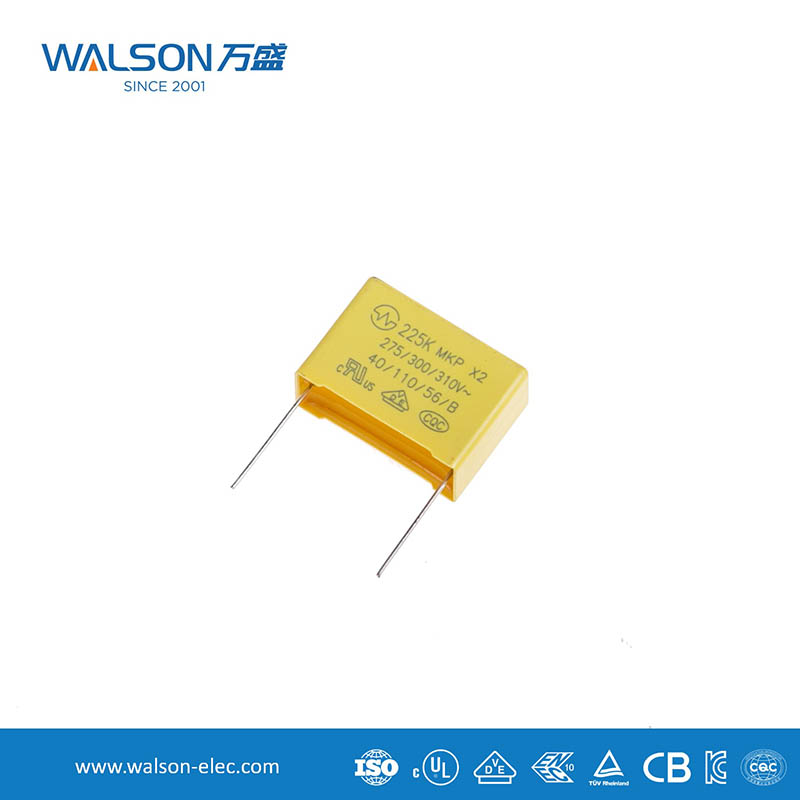
Metallized film capacitors are fundamental components in electronic devices and power systems, and their performance directly affects overall equipment quality. Recent progress has been made in the theoretical analysis of capacitor losses, with researchers systematically breaking down the loss composition and establishing a theoretical model for metal-related losses.
The study shows that losses in metallized film capacitors mainly consist of dielectric loss, leakage loss, and metal loss. Although metal loss accounts for only 5% to 10% of the total loss, it is the critical factor affecting loss stability. Metal loss can be further divided into wire loss, electrode plate loss, bridging resistance loss between the sprayed metal layer and the capacitor core end face, and soldering resistance loss between the wire and the sprayed metal layer.
The analysis indicates that wire loss is negligible under normal operating conditions. However, to optimize performance, it is recommended to use leads with a large cross-section, short length, copper cladding, and tin plating to reduce resistance and improve solderability. Electrode plate loss can be effectively reduced by lowering the equivalent resistance of the plates. Poor contact between the sprayed metal layer and the metallized film creates a gap resistance that increases loss; therefore, using spraying materials similar to the metal layer is essential. Welding quality is also crucial—good welding significantly reduces contact resistance and thus minimizes loss.
This theoretical model provides clear directions for improving capacitor manufacturing processes, helping companies enhance product consistency and reliability while promoting technological upgrades in the industry.