简体中文
简体中文 English
 Español
Submit feedback

Why Didn't the Film Capacitor Explode When the Electrolytic One Did? Explained in 3 Minutes
Recently, a comparative experiment on capacitor safety has drawn attention in electronics engineering circles. In the test, engineers applied overvoltage to electrolytic and film capacitors of the same rating. The electrolytic capacitor burst violently, while the film capacitor showed only slight capacitance degradation—no fire, no explosion.
Why such a dramatic difference?
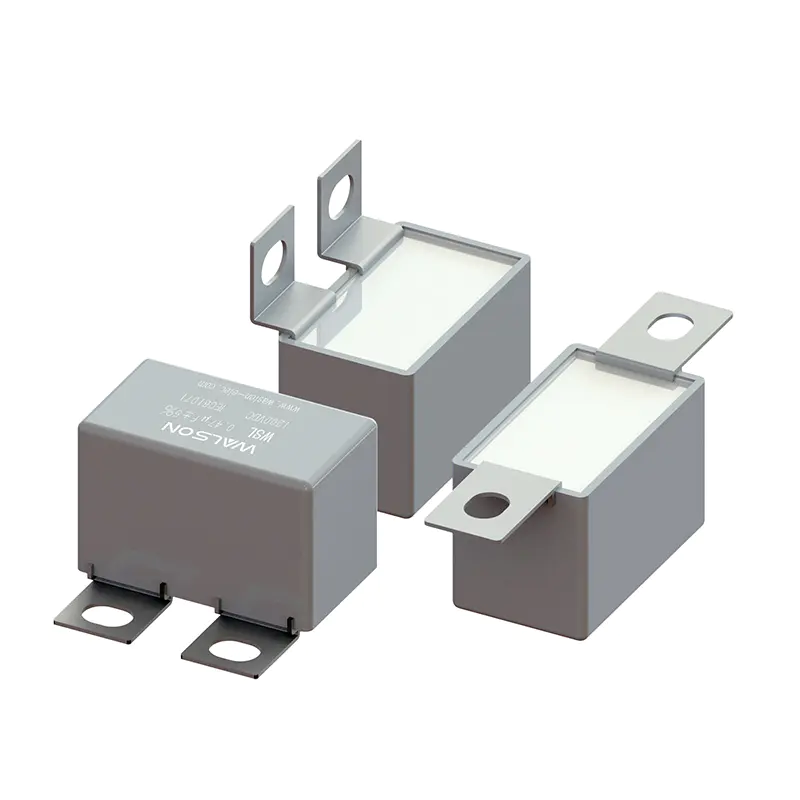
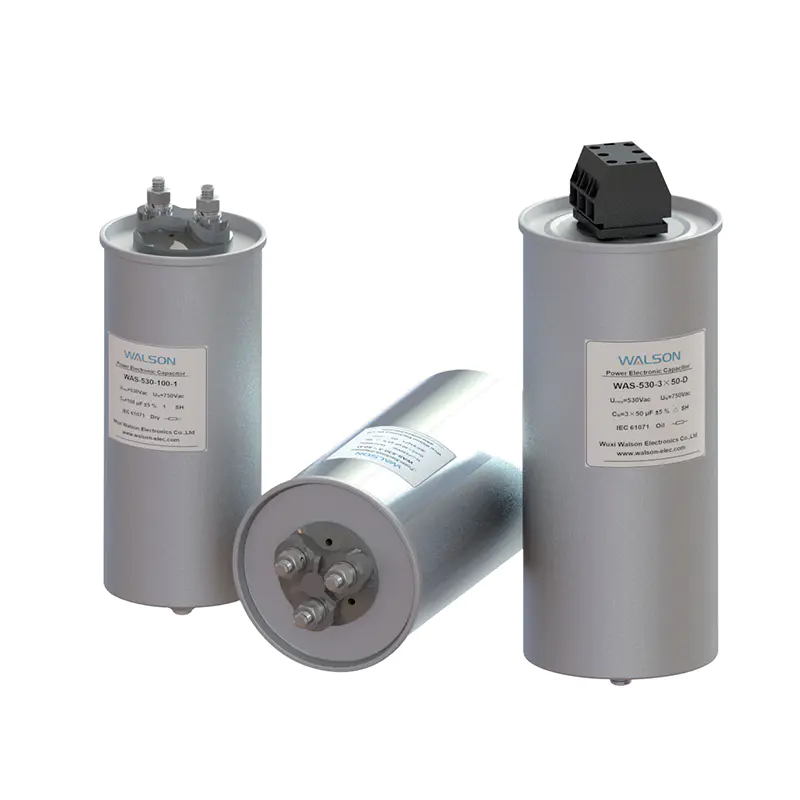
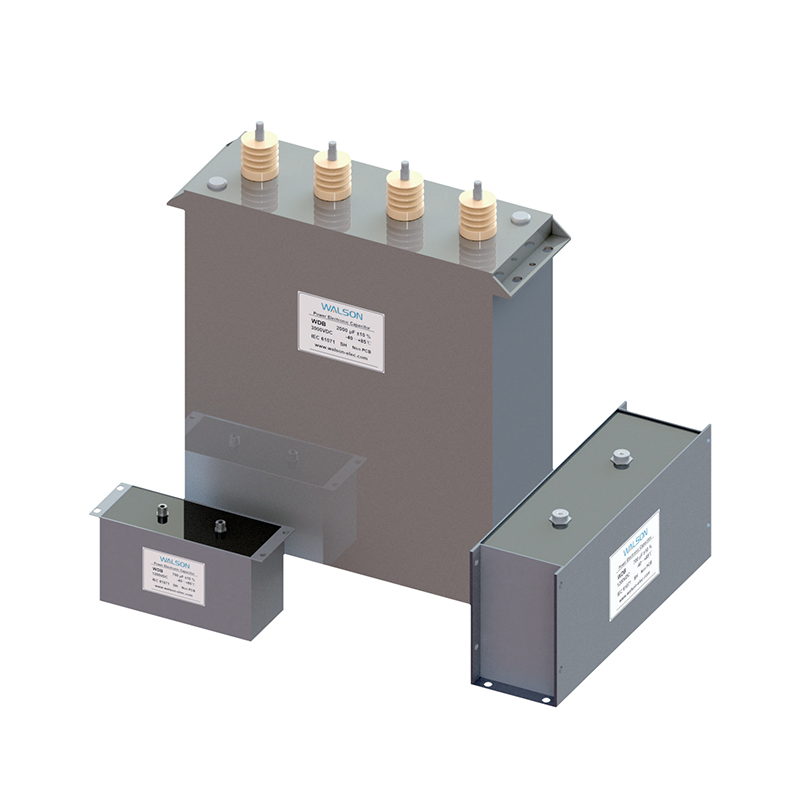
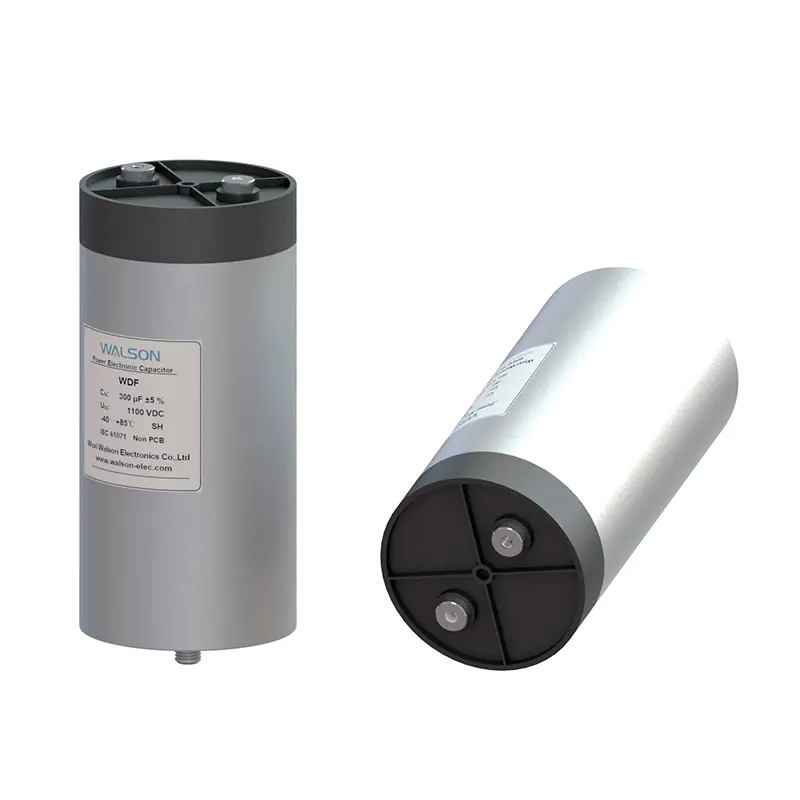
The answer lies in their internal structures and dielectric materials. Electrolytic capacitors use aluminum foil and liquid electrolyte. Under overvoltage or high temperature, the electrolyte vaporizes, internal pressure surges, and the casing ruptures—sometimes spraying liquid and igniting. Film capacitors, by contrast, use metallized polypropylene film as the dielectric. Their key feature is self-healing: when a local breakdown occurs, the metal coating around the breakdown point instantly evaporates, creating an insulating isolation zone that cuts off the short-circuit path and prevents fault propagation.
Three major advantages of film capacitors:
First, strong self-healing capability—they recover automatically after local breakdown. Second, high voltage margin—they withstand higher surge voltages. Third, no electrolyte—eliminating drying and vaporization issues for more stable lifespan.
Application advice:
In high-frequency, high-ripple, high-reliability scenarios—such as PV inverters, EV motor controllers, and air-conditioner compressor startups—film capacitors are gradually replacing electrolytic ones. However, film capacitors have lower capacitance density, so large-capacity applications still require electrolytic capacitors in combination.